
Key Takeaways
- •True sensitive skin is a genetic predisposition affecting about 25-30% of the population.
- •Sensitized skin is an acquired condition caused by over-exfoliation, harsh products, or environmental damage.
- •Sensitive skin reacts to everything; sensitized skin reacts to things that previously didn't cause problems.
- •Sensitized skin is reversible with barrier repair and product simplification.
- •Both conditions benefit from gentle cleansing, barrier support, and avoiding known irritants.
- •A dermatologist can help distinguish between sensitivity, sensitization, and underlying conditions like rosacea.
Defining True Skin Sensitivity
True skin sensitivity is a constitutional trait — you're born with it, and it persists throughout your life regardless of your skincare routine. People with genuinely sensitive skin typically have a thinner stratum corneum, reduced lipid content in the barrier, and heightened neural sensitivity in the skin. These structural characteristics mean that stimuli which are harmless for most people trigger irritation, redness, stinging, or burning in sensitive skin.
Sensitive skin tends to react to a wide range of stimuli: fragrance, certain preservatives, physical friction, temperature changes, wind, alcohol-based products, and even some well-tolerated active ingredients. The reactions are consistent and predictable — you've always had them, and they occur with multiple products rather than one specific formula.
Certain skin conditions are associated with inherent sensitivity. People with rosacea, eczema (atopic dermatitis), or contact dermatitis have skin that is structurally and immunologically different from 'normal' skin. These are medical conditions that require specific management beyond general skincare. If you suspect you have one of these conditions, a dermatological evaluation is important.
What Sensitized Skin Looks Like
Sensitized skin is acquired — it develops over time as a result of external factors that damage the skin barrier. The most common causes are over-exfoliation (too many acids, too much retinol, too-frequent physical scrubs), stripping cleansers (high-pH or heavily surfactant-laden formulas), environmental stressors (extreme cold, dry indoor heating, pollution), and excessive product layering.
The hallmark of sensitized skin is that products that previously worked fine now cause irritation. Your reliable moisturizer stings. Your gentle toner causes redness. Even plain water feels uncomfortable. This change over time is the key differentiator from true sensitivity — sensitive skin has always been reactive, while sensitized skin became reactive.
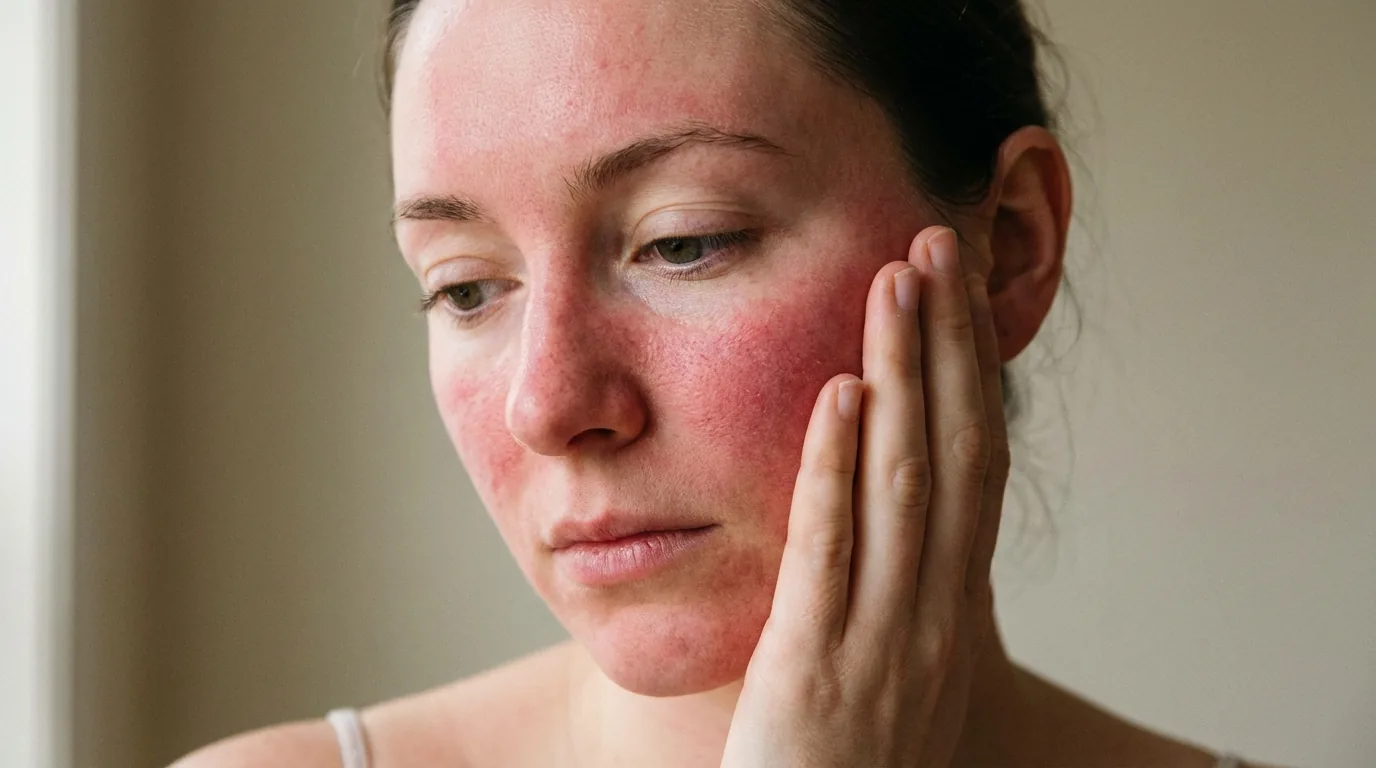
Sensitized skin often presents with visible signs of barrier damage: redness that wasn't there before, patches of dryness or flaking, a tight or 'raw' feeling, unusual texture changes, and breakouts in areas that don't typically break out. The skin may look inflamed or 'angry' in a way that feels disproportionate to your current routine.

The Self-Assessment
Ask yourself these questions to determine which category fits your experience. Have you always had reactive skin, even as a child or teenager before you used any skincare products? If yes, you likely have true sensitivity. Did your skin reactivity develop or worsen after starting certain products, increasing exfoliation, or during a period of environmental stress? If yes, your skin is probably sensitized.
Consider the timeline. True sensitivity is stable — it doesn't dramatically worsen unless triggered by a new irritant or underlying condition flare-up. Sensitization typically follows a progression: you introduced more actives, exfoliated more frequently, or experienced environmental damage, and your skin gradually became more reactive over weeks or months.
Also consider the pattern of reactions. True sensitivity tends to produce consistent reactions to specific categories of ingredients (fragrance, alcohol, certain preservatives). Sensitized skin tends to react to everything indiscriminately — products that previously worked fine, gentle products, even water — because the barrier itself is compromised, allowing all substances to penetrate more deeply than they should.
Treating Sensitized Skin
The good news about sensitized skin is that it's entirely reversible. The barrier can be repaired, and normal tolerance restored. The process requires patience and restraint — you need to stop doing the things that damaged the barrier and give it time to regenerate.
Step one: eliminate all active ingredients. Stop retinol, AHAs, BHAs, vitamin C, benzoyl peroxide — everything except a gentle cleanser, a barrier-repair moisturizer, and sunscreen. This is the hardest step for most people because it feels like giving up on their skin goals. But you can't build on a broken foundation.
Step two: focus on barrier repair. Use a ceramide-rich moisturizer (containing ceramides, cholesterol, and fatty acids in a ratio that mimics the skin's natural lipid matrix). Apply to slightly damp skin to maximize hydration. Consider adding a thin layer of petroleum jelly or healing ointment at night as an occlusive seal. Products containing centella asiatica, panthenol, or madecassoside can accelerate repair.

Managing True Sensitivity Long-Term
True sensitivity can't be cured, but it can be managed. The key is identifying your specific triggers and building a routine around avoidance and barrier support. Keep a skin diary — note every product used and any reactions — to build a clear picture of what your skin tolerates and what it doesn't.
Fragrance is the most common irritant for truly sensitive skin — both synthetic fragrance and natural essential oils. Choose fragrance-free products (not 'unscented,' which may contain masking fragrances). Common preservatives like methylisothiazolinone (MI) and formaldehyde releasers are also frequent triggers. Learn to read ingredient lists and avoid your known irritants consistently.
Sensitive skin can still use active ingredients — but selection and introduction must be more careful. Retinaldehyde is often better tolerated than retinol. PHAs (polyhydroxy acids like gluconolactone) are gentler alternatives to AHAs. Azelaic acid is well-tolerated by most sensitive skin types and provides brightening, anti-inflammatory, and anti-acne benefits. Introduce any new active at the lowest concentration, once or twice per week, and increase only if tolerated.
Rebuilding Your Routine After Sensitization
Once your barrier has recovered (typically 2-6 weeks of the minimal routine), you can begin reintroducing active ingredients — but slowly and one at a time. Add one new product every two weeks. Start at the lowest available concentration and the lowest frequency. Monitor your skin's response carefully.
Prioritize the actives that address your primary concern. If anti-aging is your goal, reintroduce retinol first (at 0.025%, twice per week). If brightening, start with niacinamide (which is generally well-tolerated and has barrier-supporting properties). If acne, try adapalene 0.1% every other night. Don't try to rebuild your previous 10-step routine — aim for 4-5 well-chosen products.
Going forward, build in guardrails to prevent re-sensitization. Limit chemical exfoliation to 2-3 times per week maximum. Don't combine multiple exfoliating products. Use a barrier-supportive moisturizer as a non-negotiable daily step. And if your skin starts showing signs of reactivity again — stinging, unusual redness, tightness — dial back immediately rather than pushing through. Catching sensitization early prevents the weeks-long recovery that full barrier breakdown requires.
References
- Misery L, et al. "Sensitive skin: an epidemiological study." British Journal of Dermatology. 2007;157(5):1093-1096.
- Farage MA, et al. "Intrinsic and extrinsic factors in skin ageing: a review." International Journal of Cosmetic Science. 2008;30(2):87-95.
- Del Rosso JQ, et al. "Understanding the epidermal barrier in healthy and compromised skin." Journal of Clinical and Aesthetic Dermatology. 2016;9(4 Suppl 1):S2-S8.


