School of Dermatology
    Sensitive Skin

    Sensitive Skin

    Calm, protect, and strengthen reactive skin.

    What Is Sensitive Skin?

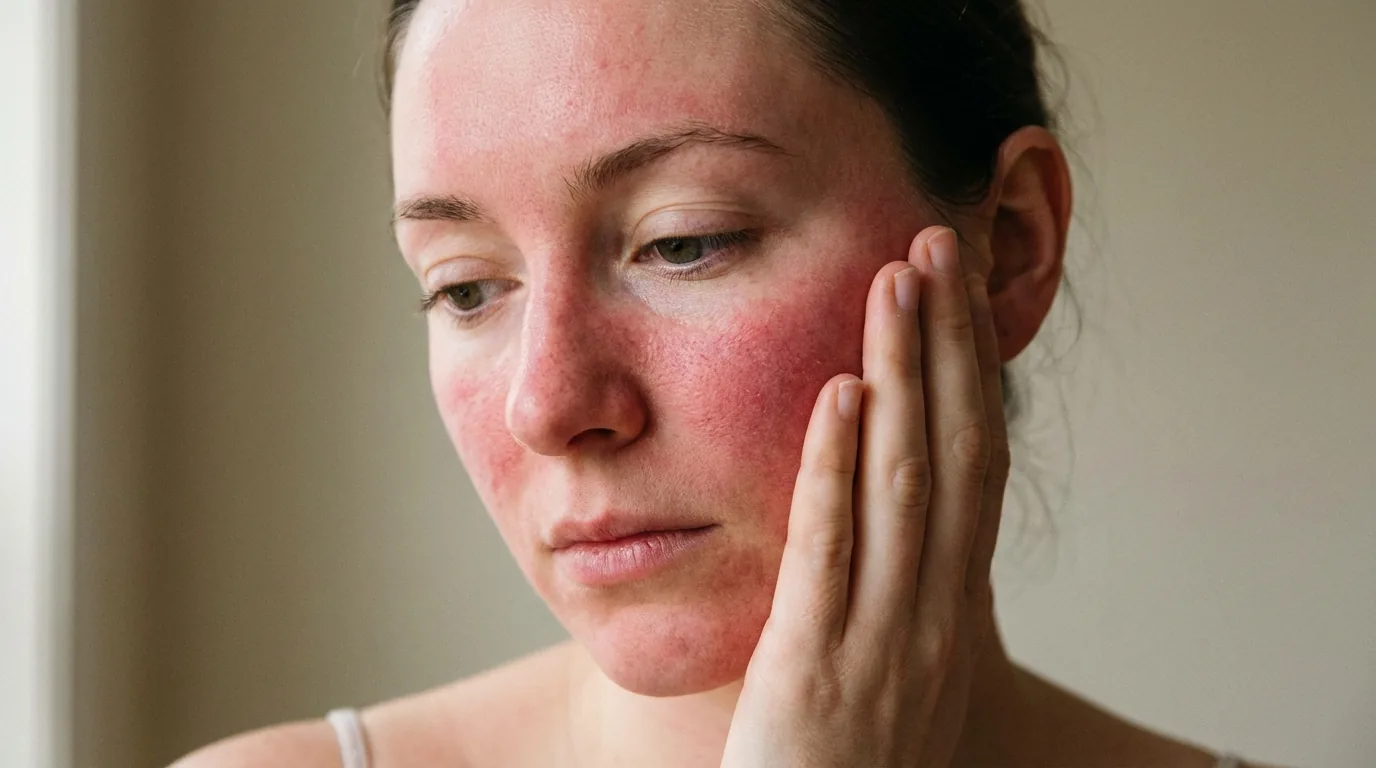
    Sensitive skin is a skin type — or in many cases, a skin condition — characterized by heightened reactivity to stimuli that most people tolerate without issue. People with sensitive skin experience redness, stinging, burning, itching, tightness, or visible flushing in response to skincare products, environmental changes, stress, certain foods, or even physical touch. The experience can range from mildly inconvenient to genuinely debilitating, depending on severity.

    Understanding the difference between sensitive skin and sensitized skin is one of the most important distinctions in dermatology. True sensitive skin is typically genetic and often associated with conditions like rosacea, eczema (atopic dermatitis), psoriasis, or naturally fair, thin skin with a high density of nerve endings near the surface. This type of sensitivity is a fundamental characteristic that requires lifelong management with gentle products and careful ingredient avoidance.

    Sensitized skin, by contrast, is an acquired condition caused by external damage to the skin barrier. Over-exfoliation with acids, retinoids, or physical scrubs is one of the most common causes. Other culprits include prolonged use of harsh cleansers, excessive chemical peels, environmental damage from UV exposure or pollution, and paradoxically, using too many 'active' products simultaneously in an attempt to achieve rapid results. Sensitized skin presents very similarly to truly sensitive skin — redness, stinging, tightness, and reactivity — but the crucial difference is that sensitized skin can be fully repaired by stripping the routine back to basics and focusing on barrier restoration for 4-8 weeks.

    The biological mechanism underlying skin sensitivity centers on the stratum corneum — the outermost layer of the epidermis. This layer functions as the skin's first line of defense: a tightly organized wall of dead skin cells (corneocytes) held together by a mortar of lipids (ceramides, cholesterol, and fatty acids). When this barrier is structurally compromised — whether due to genetics, environmental damage, or product-induced irritation — it becomes more permeable. Irritants, allergens, bacteria, and environmental pollutants that would normally be blocked at the surface can now penetrate deeper into the living layers of the skin, triggering immune and inflammatory responses that manifest as the redness, stinging, and discomfort characteristic of sensitive skin.

    Another factor that amplifies sensitivity is neurogenic inflammation — the stimulation of sensory nerve endings in the skin that triggers the release of inflammatory neuropeptides like substance P and calcitonin gene-related peptide (CGRP). People with sensitive skin often have nerve endings positioned closer to the skin surface and a lower threshold for nerve activation, meaning stimuli that are imperceptible to normal skin trigger visible flushing and perceived stinging, burning, or prickling sensations in sensitive skin.

    Managing sensitive skin requires a fundamentally different mindset from other skin types. While oily skin management focuses on regulation and combination skin on balance, sensitive skin management is about protection, minimalism, and patience. The fewer ingredients you expose sensitive skin to, the lower the probability of a reaction. Every new product should be patch-tested for at least 48 hours before full-face application, and new products should be introduced one at a time with at least two weeks between additions to accurately identify any delayed reactions.

    How to Tell If You Have Sensitive Skin

    • Your skin frequently reacts to new products with redness, stinging, burning, or an uncomfortable tingling sensation — even products marketed as 'gentle'
    • You experience visible redness or flushing, especially on the cheeks, nose, and chin — triggered by temperature changes, spicy food, alcohol, stress, or exercise
    • Your skin feels tight, itchy, dry, or uncomfortable throughout the day, even after applying moisturizer
    • You have a history of eczema, rosacea, contact dermatitis, psoriasis, or other inflammatory skin conditions
    • Products containing fragrance, essential oils, alcohol, or high-concentration acids consistently cause irritation or discomfort
    • Weather changes — particularly cold wind, dry air, or extreme heat — visibly and noticeably affect your skin's appearance and comfort
    • Your skin takes longer to recover from irritation than you would expect — redness persists for hours or days after a reaction
    • You've found that 'less is more' with your skincare — simpler routines consistently produce better results than complex, multi-product regimens

    Common Misconceptions

    Myth: Sensitive skin can't tolerate any active ingredients at all.

    Truth: This blanket statement prevents many sensitive skin sufferers from benefiting from ingredients that could genuinely improve their skin. While it is true that sensitive skin cannot tolerate many of the high-concentration actives that normal skin handles easily, several active ingredients are well-researched for use on sensitive skin specifically. Niacinamide at 2-5% is anti-inflammatory and barrier-strengthening. Centella asiatica (cica) extract actively repairs and calms reactive skin. Azelaic acid at low concentrations (10-15%) reduces redness and is specifically recommended for rosacea — a sensitive skin condition. Bakuchiol provides retinol-like cell turnover benefits without the irritation. The key for sensitive skin is choosing actives with inherently calming, anti-inflammatory properties, using lower concentrations, introducing one at a time, and always patch testing before committing to full-face use.

    Myth: Products labeled 'hypoallergenic' or 'dermatologist-tested' are always safe for sensitive skin.

    Truth: These marketing terms are not regulated by the FDA or any governmental body, which means there is no legal standard or testing requirement that a product must meet to use them. A product labeled 'hypoallergenic' can still contain fragrance, essential oils, dyes, and other known sensitizers. 'Dermatologist-tested' simply means a dermatologist looked at the product at some point — it says nothing about the outcome of that evaluation. The only reliable way to determine if a product is safe for your sensitive skin is to read the full ingredient list yourself (checking for known irritants), patch test on a small area of skin for 48-72 hours, and introduce products one at a time so you can identify exactly which product causes any reaction that occurs.

    Myth: Sensitive skin and allergic skin are the same thing and should be treated identically.

    Truth: Sensitive skin and skin allergies are distinct conditions with different underlying mechanisms, even though they can look similar on the surface. Sensitive skin reacts broadly to many different stimuli — it has a generally low tolerance threshold for products, environmental changes, and physical stimulation. An allergic reaction (contact dermatitis), by contrast, is a specific immune response to a particular allergen — the immune system has been previously sensitized to a specific molecule and now produces an inflammatory response every time that molecule contacts the skin. Allergic reactions tend to be more severe (blistering, oozing, severe swelling) and very precisely linked to specific ingredients. You can have sensitive skin without allergies, allergies without generally sensitive skin, or both. If you suspect contact allergies, a patch test performed by a dermatologist can identify your specific allergens and help you avoid them systematically.

    Best Ingredients for Sensitive Skin

    Ceramides

    Ceramides are the most important ingredient category for sensitive skin because they directly address the root cause of most sensitivity: a compromised lipid barrier. Ceramides make up approximately 50% of the skin barrier by weight, and sensitive skin has been consistently shown to have lower ceramide levels than normal skin. Topically applying ceramides helps fill the structural gaps in the barrier, reducing its permeability to irritants and allergens and decreasing transepidermal water loss. For sensitive skin, look for products containing ceramide NP, ceramide AP, and ceramide EOP — ideally in combination with cholesterol and fatty acids to mimic the skin's natural lipid ratio.

    Centella Asiatica (Cica)

    Centella asiatica is one of the most well-researched botanical ingredients for sensitive and compromised skin. Its active compounds — madecassoside, asiaticoside, madecassic acid, and asiatic acid — have been shown to reduce inflammation, stimulate collagen synthesis, and accelerate wound healing. In the context of sensitive skin, centella's anti-inflammatory properties help calm the redness and irritation that define daily life with reactive skin, while its barrier-repair effects address the underlying structural weakness. Clinical studies have shown centella extract to be effective at reducing rosacea-related redness and improving atopic dermatitis symptoms. It is gentle enough for even the most reactive skin types.

    Niacinamide (low concentration, 2-5%)

    At the lower end of its effective concentration range, niacinamide is a remarkably gentle ingredient that strengthens the skin barrier, reduces visible redness, and provides anti-inflammatory benefits — all of which are critically important for sensitive skin. Niacinamide boosts the production of ceramides, fatty acids, and cholesterol in the skin — the very lipids that sensitive skin is deficient in — effectively helping the skin repair its own barrier over time. At 2-5%, it achieves these benefits without the flushing reaction that some people experience with higher concentrations (10%+). It also helps reduce the redness and uneven pigmentation that often accompany chronic skin sensitivity.

    Colloidal Oatmeal (Avena sativa)

    Colloidal oatmeal is an FDA-recognized skin protectant with a long clinical history of use in treating sensitive, itchy, and inflamed skin conditions including eczema, contact dermatitis, and general irritation. It works through multiple mechanisms: the avenanthramides in oat have potent anti-inflammatory and anti-itch properties, the beta-glucans form a protective film on the skin that reduces moisture loss, and the proteins and lipids help restore barrier function. Colloidal oatmeal is so gentle that it is safe for use on broken, cracked, and severely compromised skin — making it appropriate for even the most extreme cases of sensitivity.

    Panthenol (Vitamin B5 / Provitamin B5)

    Panthenol is a deeply hydrating ingredient that penetrates the skin and converts to pantothenic acid, which plays a crucial role in skin barrier repair and maintenance. It acts as a humectant (drawing water into the skin), an emollient (softening and smoothing), and an anti-inflammatory agent — a triple benefit that makes it ideal for sensitive skin. Clinical studies have shown panthenol to accelerate wound healing, reduce transepidermal water loss, and soothe irritation and itching. Its safety profile is exceptional — adverse reactions are essentially unheard of, making it one of the safest active ingredients available for highly reactive skin.

    Allantoin

    Allantoin is a gentle, well-tolerated ingredient that soothes irritation, promotes cell turnover, and helps repair damaged skin tissue. It is classified as a skin protectant by the FDA and has been used in wound care and dermatological treatments for decades. For sensitive skin, allantoin provides gentle keratolytic (dead cell removal) activity without the irritation associated with stronger exfoliants like AHAs and BHAs, making it one of the few ingredients that can help improve skin texture in people who cannot tolerate traditional chemical exfoliants.

    Ingredients to Avoid

    Fragrance (both synthetic and natural/essential oil-derived)

    Fragrance is unequivocally the number one cause of contact sensitization and allergic reactions in skincare products. The term 'fragrance' or 'parfum' on an ingredient list can represent any combination of up to 3,000+ individual fragrance chemicals, many of which are known sensitizers. Natural fragrances from essential oils are equally (and in some cases more) problematic — linalool, limonene, citral, and geraniol are all common natural fragrance components that consistently rank among the most frequent contact allergens identified in dermatological patch testing. For sensitive skin, fragrance-free formulations are always the safest choice. Note that 'unscented' is not the same as 'fragrance-free' — unscented products may contain masking fragrances to neutralize the smell of other ingredients.

    Essential oils (lavender, tea tree, peppermint, citrus oils, eucalyptus)

    Despite their widespread use in 'natural' skincare and their marketing as gentle, plant-based ingredients, essential oils are concentrated volatile compounds that are among the most common causes of contact dermatitis in skincare products. Tea tree oil, lavender oil, and citrus oils (lemon, orange, bergamot) are particularly problematic for sensitive skin. They contain potent aromatic compounds that can cause immediate irritation (stinging, burning, redness) as well as delayed allergic sensitization that develops with repeated exposure over weeks or months. Once sensitized to an essential oil, you may react to it for life.

    High-concentration acids and aggressive exfoliants

    Strong AHAs (glycolic acid above 10%), BHAs (salicylic acid above 2%), retinoids at prescription strength, and physical scrubs with abrasive particles can all overwhelm a compromised barrier. The barrier weakness inherent in sensitive skin means that active ingredients penetrate more deeply and rapidly than intended, increasing the intensity of their effects and the likelihood of adverse reactions. If your sensitive skin would benefit from exfoliation, start with the gentlest possible option — mandelic acid at 5%, PHA (gluconolactone) at 5-10%, or enzyme exfoliants — and increase very gradually.

    Alcohol denat, SD alcohol, and isopropyl alcohol

    These short-chain alcohols dissolve the skin's natural lipid barrier on contact, directly exacerbating the barrier weakness that underlies sensitive skin. They are included in products to create a lightweight, fast-absorbing texture and a 'clean' feel, but for sensitive skin, this momentary cosmetic benefit comes at the cost of increased permeability to irritants, higher transepidermal water loss, and potential inflammatory response. Check ingredient lists carefully — these drying alcohols are different from fatty alcohols (cetyl alcohol, cetearyl alcohol, stearyl alcohol), which are actually beneficial emollients.

    Morning Routine

    1

    Gentle Cream Cleanser

    Look for: Fragrance-free, sulfate-free formula with the shortest ingredient list you can find. Key soothing additions: colloidal oatmeal, glycerin, ceramides, or allantoin. Should not foam at all or produce only minimal lather. pH between 5.0 and 6.0

    Why: The morning cleanse for sensitive skin should be the gentlest step in your routine. Many sensitive skin types do well with just lukewarm water and a soft cloth in the morning, adding the cream cleanser only if the skin feels like it needs it. The goal is to refresh the skin without triggering any reactivity — if your cleanser causes even mild stinging, tightness, or redness, it is too strong and should be replaced. Cream and milk cleansers that rinse clean with water and leave the skin feeling soft are ideal.

    2

    Calming Toner (optional — skip if your skin reacts to toners)

    Look for: Centella asiatica or panthenol-based, completely alcohol-free, fragrance-free, and free from witch hazel. Texture should be water-light. Apply by pressing gently into skin with hands — never use a cotton pad that requires wiping

    Why: This step is optional for sensitive skin and should only be included if your skin tolerates it well. A calming, centella-based toner can provide additional anti-inflammatory benefits and prep the skin for serums, but many people with very sensitive skin find that fewer steps produces better results. If any toner causes stinging or discomfort — even momentarily — eliminate it. The toner is the most easily sacrificed step in a sensitive skin routine.

    3

    Barrier-Repair Serum

    Look for: Ceramide complex serum or niacinamide serum at 2-5% concentration. Should be fragrance-free with a short, simple ingredient list. Avoid serums with vitamin C, AHAs, or retinol as your primary sensitive skin serum

    Why: The serum step delivers concentrated barrier-supporting ingredients in a lightweight vehicle that absorbs effectively without requiring heavy rubbing or manipulation. For sensitive skin, the serum should be focused on repair and protection rather than active treatment — this is not the place for acids, retinol, or high-concentration vitamin C. A ceramide serum helps replenish the lipids that sensitive skin is deficient in, while low-concentration niacinamide supports the skin's own ceramide, fatty acid, and cholesterol production for long-term barrier strengthening.

    4

    Gentle Moisturizer

    Look for: Fragrance-free cream with ceramides, cholesterol, fatty acids, glycerin, and/or petrolatum. Look for products specifically formulated for sensitive or eczema-prone skin. The fewer ingredients, the better. Products approved by the National Eczema Association (NEA) are a reliable starting point

    Why: The moisturizer is the cornerstone of sensitive skin care. It reinforces the lipid barrier, provides a physical layer of protection against environmental irritants, and creates the hydrated, comfortable environment that allows sensitive skin to gradually strengthen and become less reactive over time. For sensitive skin, the moisturizer should contain a balanced mix of humectants (to hydrate), emollients (to soften and fill gaps), and occlusives (to seal and protect). The fewer active ingredients, the lower the risk of triggering a reaction.

    5

    Mineral Sunscreen

    Look for: Zinc oxide-based (and/or titanium dioxide) SPF 30 or higher, without chemical UV filters like oxybenzone, avobenzone, octinoxate, or homosalate. Should be fragrance-free and alcohol-free. Look for tinted formulations — the iron oxides in tinted mineral sunscreens provide additional protection against visible light and can help neutralize redness

    Why: Mineral sunscreens are generally better tolerated by sensitive skin than chemical sunscreens because they sit on top of the skin and reflect UV rays rather than absorbing into the skin and converting UV energy to heat — a process that can trigger flushing and irritation in reactive skin. Zinc oxide in particular has inherent anti-inflammatory and soothing properties that provide additional benefits for sensitive skin beyond UV protection. The main downside of mineral sunscreens — white cast — has been largely solved by micronized and tinted formulations.

    Evening Routine

    1

    Micellar Water

    Look for: Fragrance-free formula with minimal surfactants. The best micellar waters for sensitive skin contain only a few ingredients: water, a mild surfactant (PEG-6 caprylic/capric glycerides), glycerin, and perhaps a soothing ingredient like panthenol. Avoid micellar waters with multiple fragrances or botanical extracts

    Why: Micellar water uses tiny oil-based micelles suspended in water to gently lift makeup, sunscreen, and impurities from the skin without the need for rubbing or rinsing. For sensitive skin, this gentle, no-rinse approach minimizes physical manipulation and the risk of friction-induced irritation. Saturate a soft cotton pad and hold it against the skin for a few seconds before gently wiping — never scrub or rub vigorously. Multiple gentle passes are preferable to a single aggressive wipe.

    2

    Cream Cleanser

    Look for: Same gentle, fragrance-free cream cleanser used in the morning

    Why: A brief, gentle second cleanse removes any remaining traces of makeup, sunscreen, and micellar water residue. If your sensitive skin is having a particularly reactive day — visible redness, stinging, or discomfort — you can skip the cream cleanser and rely solely on the micellar water. Listening to your skin and adjusting your routine accordingly is one of the most important skills for managing sensitivity. Over-cleansing is a far bigger risk than under-cleansing for sensitive skin.

    3

    Calming Treatment Serum

    Look for: Centella asiatica extract, madecassoside, allantoin, or bisabolol as the primary active ingredients. Should have a lightweight, soothing texture that absorbs without stinging. This step can include a low-concentration azelaic acid (10%) if your sensitive skin also involves rosacea

    Why: The evening treatment step focuses on reducing any inflammation accumulated during the day and providing ingredients that support overnight barrier repair. Centella-based serums are ideal because the active triterpenoids (madecassoside and asiaticoside) calm inflammation at the cellular level while stimulating collagen synthesis for structural barrier improvement. If you have rosacea-type sensitivity, azelaic acid at 10% provides clinically proven redness reduction while being gentle enough for most sensitive skin types.

    4

    Rich Night Cream or Occlusive Balm

    Look for: Thick, protective cream or balm with ceramides, squalane, shea butter, and/or petrolatum. Should feel noticeably richer and more protective than your morning moisturizer. If your skin is severely reactive, a thin layer of plain petrolatum (Vaseline) over your regular moisturizer provides maximum barrier protection

    Why: Nighttime is the optimal period for sensitive skin barrier repair. During sleep, the skin's repair mechanisms are most active, cell turnover increases, and blood flow to the skin surface rises — all of which support the barrier-rebuilding process. A rich night cream or occlusive balm creates a protective environment that maximizes the effectiveness of these natural repair processes by preventing moisture loss and physically shielding the healing barrier from pillowcase friction, environmental air, and other nighttime irritants. The 'slugging' technique — applying a thin layer of petrolatum as the final step — is particularly effective for severely compromised sensitive skin.

    Light Therapy for Sensitive Skin

    Red light therapy is one of the very few active treatments gentle enough for sensitive skin, and it works through mechanisms that directly address the core issues of skin sensitivity. At wavelengths of 620-660nm, red light reduces inflammation by inhibiting pro-inflammatory cytokines and stimulating anti-inflammatory pathways. It supports barrier function by boosting cellular energy (ATP) production in fibroblasts and keratinocytes — the cells responsible for building and maintaining the skin barrier. Unlike topical actives, which must penetrate the barrier (potentially causing irritation in the process), red light works by energizing cells from outside without disrupting the barrier at all. Multiple clinical studies have shown red light therapy to be effective in reducing rosacea-related redness and improving atopic dermatitis symptoms, making it a valuable addition to sensitive skin management.

    Explore Light Therapy Devices

    Product Recommendations

    Vanicream Moisturizing Skin Cream

    Vanicream is the gold standard moisturizer for sensitive skin and is consistently recommended by dermatologists and allergists for patients with contact dermatitis, eczema, and chronic skin sensitivity. Its formulation deliberately excludes the most common causes of skin reactions: no fragrance, no dyes, no lanolin, no parabens, no formaldehyde-releasing preservatives. What remains is a clean, effective moisturizing base of purified water, white petrolatum, sorbitol, cetearyl alcohol, and other gentle emollients that provide deep, lasting hydration without any risk of irritation. If you can only use one moisturizer, this is the safest choice for sensitive skin.

    La Roche-Posay Toleriane Double Repair

    Specifically developed for sensitive and compromised skin through La Roche-Posay's extensive research with their prebiotic thermal spring water. This lightweight moisturizer combines ceramide-3 with niacinamide to repair the skin barrier from the inside while protecting it from the outside. The Toleriane line is formulated under strict sterile manufacturing conditions and undergoes rigorous testing on sensitive and allergy-prone skin. The airless pump packaging prevents contamination and preserves the formula's integrity. It absorbs quickly, layers well under mineral sunscreen, and provides 48-hour hydration in a texture that is light enough for daily use without clogging pores.

    EltaMD UV Clear SPF 46

    Consistently rated as the best sunscreen for sensitive and acne-prone skin by both dermatologists and consumer reviewers. The formula combines zinc oxide (a gentle mineral UV filter) with octinoxate (a chemical filter) for broad-spectrum protection in a lightweight, transparent base that does not leave white cast. The addition of 5% niacinamide provides anti-inflammatory, barrier-strengthening, and redness-reducing benefits that are particularly valuable for sensitive skin. It is fragrance-free, oil-free, paraben-free, and sensitivity-free. The lactic acid in the formula provides gentle, non-irritating hydration rather than exfoliation at the concentration used.

    School of Dermatology may earn a commission from qualifying purchases made through links on this site.

    Related Articles

    How to Tell If Your Skin Is Sensitive or Just Sensitized
    Skin Concerns

    How to Tell If Your Skin Is Sensitive or Just Sensitized

    Not all reactive skin is 'sensitive.' Most people with irritated, stinging, red skin have sensitized their skin through products or habits — and that's actually good news, because it's reversible.

    Jamie Reeves·8 min read
    How to Actually Repair Your Skin Barrier
    Skin Concerns

    How to Actually Repair Your Skin Barrier

    If your skin is red, stinging, and reactive to everything — your barrier is probably compromised. Here's how to repair it based on actual dermatological science.

    Jamie Reeves·8 min read
    Rosacea vs. Redness: How to Tell the Difference
    Skin Concerns

    Rosacea vs. Redness: How to Tell the Difference

    Your face is red and you've convinced yourself it's rosacea. But redness has many causes — and treatment depends entirely on the correct diagnosis.

    Jamie Reeves·8 min read
    Eczema: What It Actually Is and How to Manage It Long Term
    Skin Concerns

    Eczema: What It Actually Is and How to Manage It Long Term

    Eczema isn't just dry skin — it's a complex inflammatory condition driven by genetics, immune dysfunction, and barrier defects. Here's what the science actually says about managing it.

    Jamie Reeves·11 min read
    Can You Over-Exfoliate Your Skin? Signs You Already Have
    Treatments

    Can You Over-Exfoliate Your Skin? Signs You Already Have

    Exfoliation is the most over-done step in modern skincare. Here's how to recognize when you've crossed the line — and how to get back.

    Jamie Reeves·8 min read
    How Retinol Actually Works (And Why Most People Use It Wrong)
    Ingredients

    How Retinol Actually Works (And Why Most People Use It Wrong)

    Retinol is the most studied anti-aging ingredient in dermatology. But most people either use it wrong or give up too soon. Here's what the science actually says.

    Jamie Reeves·9 min read

    Still not sure if this is your skin type?

    Take our free 8-question Skin Quiz for a personalized result.

    Take the Skin Quiz