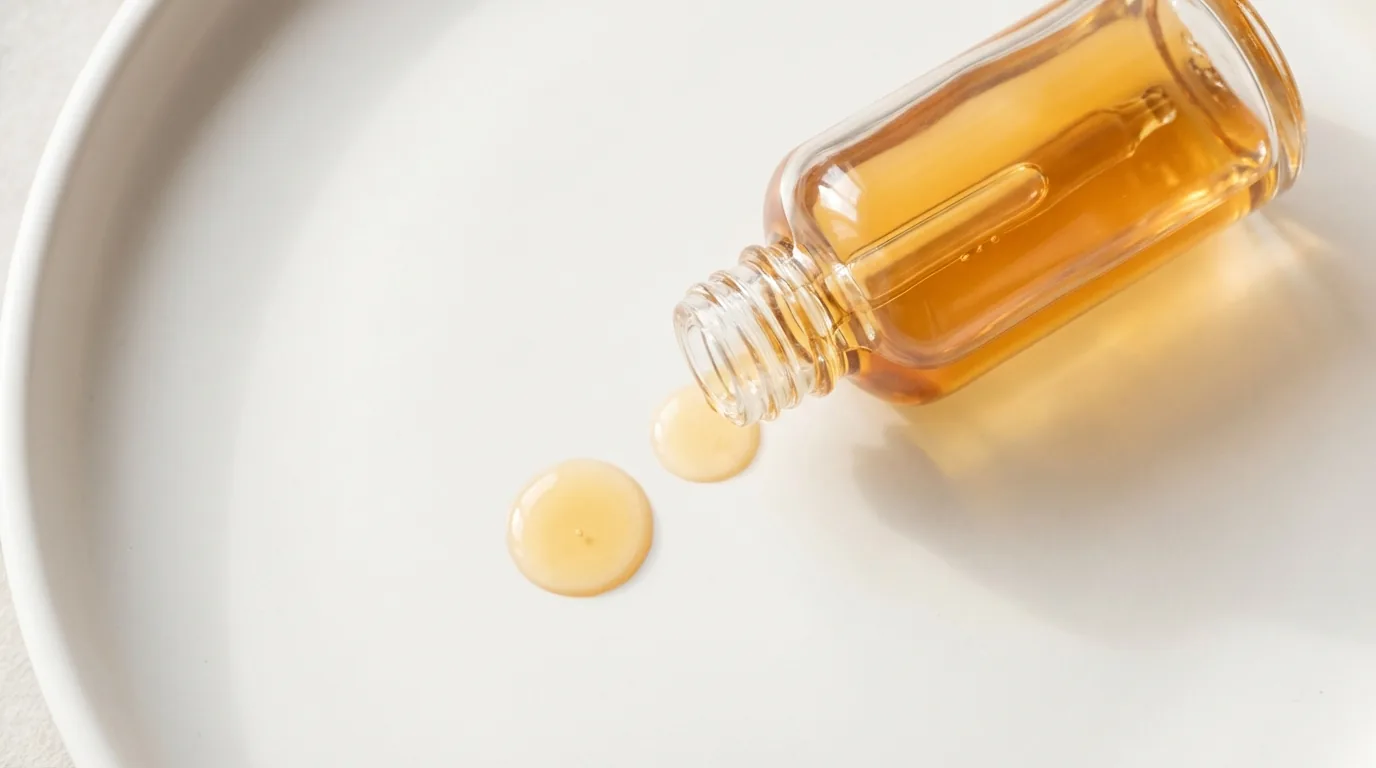
How to Actually Repair Your Skin Barrier
If your skin is red, stinging, and reactive to everything — your barrier is probably compromised. Here's how to repair it based on actual dermatological science.
Deep hydration and barrier repair for lasting comfort.
Dry skin — known clinically as xerosis — is a skin type characterized by chronically insufficient sebum production from the sebaceous glands. Unlike dehydrated skin, which is a temporary condition caused by lack of water, dry skin is a constitutive trait involving a fundamental lack of oil. This means the skin struggles to build and maintain its natural lipid barrier, the thin layer of fatty acids, cholesterol, and ceramides that prevents moisture loss and protects against environmental irritants.
The consequences of this lipid deficiency are felt throughout the skin. Without adequate oil production, transepidermal water loss (TEWL) increases dramatically — water evaporates from the deeper layers of the skin faster than it can be replaced, leading to the persistent tightness, flakiness, and discomfort that define the dry skin experience. The skin's texture becomes rough and papery, its appearance becomes dull and lackluster, and fine lines and wrinkles become more visible because dehydrated, deflated skin lacks the plumpness that keeps wrinkles smoothed out.
Dry skin is predominantly genetic. If your parents had dry skin, the odds are high that you will too. Your sebaceous glands are simply programmed to produce less sebum than average, and no amount of lifestyle modification will fundamentally change this. However, several environmental and behavioral factors can significantly worsen or improve dry skin's presentation. Cold, dry climates with low humidity accelerate moisture loss. Hot showers and baths strip the skin's protective oils. Central heating and air conditioning reduce indoor humidity to desert-like levels. Harsh cleansers, over-exfoliation, and alcohol-based products further compromise an already fragile barrier.
Age is another major factor. Sebum production naturally declines as we get older, with a particularly sharp decrease after menopause in women due to falling estrogen levels. This is why many people who had normal or combination skin in their twenties find themselves managing increasingly dry skin in their forties and beyond. The skin also becomes thinner with age, and the rate of cell turnover slows, leading to a buildup of dead cells on the surface that further contributes to roughness and dullness.
It is worth noting that dry skin exists on a spectrum. Mild dryness might present as occasional tightness after cleansing and a slightly dull complexion. Moderate dryness involves persistent flaking, visible rough patches, and increased sensitivity to products. Severe dryness — which crosses into dermatological conditions like eczema (atopic dermatitis) — features cracking, fissuring, intense itching, and chronic inflammation that requires medical management beyond standard skincare routines.
One of the most important things to understand about managing dry skin is that the approach is fundamentally about restoration and protection rather than treatment. The goal is to replenish what the skin cannot produce on its own — lipids, ceramides, and fatty acids — and then seal in both these supplemented lipids and the skin's natural moisture with occlusive ingredients that physically prevent evaporation. This layered approach of humectants, emollients, and occlusives forms the foundation of every effective dry skin routine.

Myth: Drinking more water will fix dry skin.
Truth: This is one of the most persistent myths in skincare and it fundamentally misunderstands the difference between dry skin and dehydrated skin. Dry skin is caused by insufficient oil production from the sebaceous glands — it is a lipid problem, not a water problem. While drinking adequate water is important for overall health and organ function, the water you drink is distributed to your vital organs long before it reaches the outermost layers of your skin. Studies have consistently shown no meaningful correlation between water intake and skin hydration levels in people with normal kidney function. The most effective way to address dry skin is through topical application of emollients (to fill gaps between skin cells), humectants (to attract water to the skin from the environment and deeper skin layers), and occlusives (to prevent that moisture from evaporating). A single application of a well-formulated moisturizer does more for dry skin than an extra gallon of water ever could.
Read the full myth breakdownMyth: Exfoliating will make dry skin worse.
Truth: This myth stems from a reasonable concern — aggressive exfoliation absolutely can damage dry skin. However, gentle, appropriate exfoliation is actually one of the best things you can do for dry skin. Here is why: dry skin accumulates dead cells on its surface more readily than other skin types because the natural desquamation (cell shedding) process is impaired by the lack of lipids that normally facilitate smooth cell release. This dead cell buildup creates a barrier that prevents moisturizers from penetrating effectively, making your hydrating products less efficient. A mild chemical exfoliant like lactic acid at 5-10% once or twice per week dissolves this dead cell layer, allowing your serums and moisturizers to actually reach living skin cells where they can do their work. The key is using gentle exfoliants — never harsh physical scrubs — and always following with thorough hydration and occlusion.
Myth: You only need moisturizer in winter when the air is dry.
Truth: Dry skin needs consistent, year-round moisturization regardless of the season. While cold winter air and indoor heating certainly worsen dryness, summer presents its own challenges that are often overlooked. Air conditioning removes humidity from indoor environments just as effectively as central heating does. Chlorinated swimming pools strip the skin's natural oils. Sun exposure damages the skin barrier and increases TEWL. Even warm, humid outdoor air doesn't eliminate the need for moisturizer — dry skin lacks oil, not just environmental moisture, and no amount of humidity can compensate for insufficient sebum production. You may need to adjust the weight of your moisturizer seasonally — lighter textures in summer, richer formulas in winter — but the moisturizer itself is non-negotiable year-round.
Ceramides
Ceramides are lipid molecules that make up approximately 50% of the skin barrier by weight. In dry skin, ceramide levels are consistently lower than in normal skin, which is one of the primary reasons the barrier doesn't function properly. Topically applied ceramides integrate into the existing barrier structure, filling gaps between skin cells and dramatically reducing transepidermal water loss. For maximum benefit, look for products that contain a ratio of ceramides, cholesterol, and free fatty acids in a roughly 3:1:1 ratio, which mirrors the natural composition of the skin barrier. Products listing ceramide NP, ceramide AP, and ceramide EOP provide the most complete barrier replenishment.
Hyaluronic Acid
Hyaluronic acid is a naturally occurring glycosaminoglycan that can hold up to 1000 times its weight in water. It functions as a humectant, drawing moisture from the environment and from deeper skin layers into the epidermis. For dry skin, multi-weight hyaluronic acid formulas are ideal: high molecular weight HA sits on the skin surface creating a moisture-retaining film, while low molecular weight HA penetrates deeper to hydrate from within. The key caveat is that hyaluronic acid must always be sealed with an emollient or occlusive on dry skin — in very low humidity environments, unsealed HA can actually pull water out of the skin instead of into it.
Glycerin
Glycerin is one of the most effective and well-studied humectants available, with decades of clinical evidence supporting its ability to attract and bind water in the skin. It works synergistically with the skin's natural moisturizing factors (NMFs) and has been shown to improve barrier function over time with consistent use. Glycerin is exceptionally well tolerated by virtually all skin types, including very sensitive dry skin, and is found in concentrations of 1-10% in most well-formulated moisturizers. Studies have shown that glycerin-based moisturizers can improve skin hydration for up to 24 hours after a single application.
Squalane
Squalane is a lightweight, stable, plant-derived oil that closely mimics the structure of squalene — a lipid naturally produced by human sebaceous glands. Because of this structural similarity, squalane integrates seamlessly with the skin's own lipids without feeling heavy or greasy. It functions as both an emollient (softening and smoothing the skin surface) and a mild occlusive (reducing moisture evaporation), making it an ideal ingredient for dry skin that doesn't want the heaviness of traditional oils. Squalane is also completely non-comedogenic, meaning it won't clog pores even when used generously.
Urea
Urea is a naturally occurring component of the skin's natural moisturizing factor (NMF) and is one of the most effective ingredients for treating dry, rough, and scaly skin. At low concentrations (2-10%), urea acts as both a humectant and a gentle keratolytic — it hydrates by drawing water into the skin while simultaneously softening and loosening the bonds between dead cells, facilitating their natural shedding. This dual action makes it uniquely suited for dry skin that also suffers from rough texture and flakiness. At higher concentrations (20-40%), urea becomes more aggressively exfoliating and is used for conditions like keratosis pilaris and severely cracked heels.
Shea Butter
A rich, natural emollient packed with fatty acids (oleic, stearic, linoleic) and vitamins A and E. Shea butter creates a protective, occlusive layer on the skin while simultaneously delivering nourishing lipids that support barrier repair. Its thick, creamy texture makes it particularly well suited for evening moisturizers and sleeping masks for dry skin, where maximum overnight repair and moisture retention are the goals.
High-concentration AHAs and BHAs used frequently
While gentle exfoliation is beneficial for dry skin, using strong acid concentrations (over 10% glycolic acid or over 2% salicylic acid) too frequently can further compromise an already fragile lipid barrier. This leads to increased transepidermal water loss, heightened sensitivity, and potentially triggers an inflammatory response that worsens dryness. Stick to low concentrations (5-10% lactic acid) used once or twice per week, and always follow with thorough moisturization.
Alcohol denat (denatured alcohol) and SD alcohol
Denatured alcohol is included in many skincare products to create a lightweight, fast-drying texture — but for dry skin, this comes at a significant cost. Alcohol dissolves and strips the skin's natural lipids, directly weakening the barrier that dry skin already struggles to maintain. Even small concentrations of denatured alcohol can measurably increase transepidermal water loss. Check ingredient lists carefully — alcohol denat and SD alcohol 40 are the problematic forms, while fatty alcohols like cetyl alcohol and cetearyl alcohol are actually beneficial emollients.
Synthetic fragrances and parfum
Fragrance is the single most common cause of contact sensitization in skincare products, and dry, barrier-compromised skin is especially vulnerable. The weakened barrier allows fragrance molecules to penetrate more deeply, increasing the likelihood of irritation, redness, and allergic reactions. Both synthetic and natural fragrances carry this risk. For dry skin, fragrance-free (not to be confused with 'unscented,' which may contain masking fragrances) formulations are always the safer choice.
Harsh sulfate cleansers (SLS / SLES)
Sodium lauryl sulfate (SLS) and sodium laureth sulfate (SLES) are aggressive surfactants that produce a rich lather but strip the skin of its protective oils far more efficiently than necessary. For dry skin, which already produces insufficient sebum, these ingredients cause dramatic barrier disruption that can take days to repair. Switch to gentler surfactants like cocamidopropyl betaine, decyl glucoside, or sodium cocoyl isethionate, or skip foaming cleansers entirely in favor of cream, milk, or oil cleansers.
Cream or Milk Cleanser
Look for: Non-foaming, hydrating formula with ceramides, glycerin, or squalane. Should feel creamy and leave skin feeling soft — never tight or squeaky. If your skin is extremely dry, consider cleansing with micellar water alone in the morning
Why: The morning cleanse for dry skin should be the gentlest step in your entire routine. Overnight, your skin hasn't accumulated significant environmental pollution or sunscreen residue — it has primarily been doing repair work. A cream or milk cleanser removes the mild overnight buildup of sweat and dead cells without stripping any of the precious natural oils that your skin has managed to produce while you slept. Some dermatologists even recommend skipping the morning cleanse entirely for very dry skin and simply rinsing with lukewarm water before applying hydrating products.
Hydrating Toner or Essence
Look for: Rich, milky, or gel-textured toner with hyaluronic acid, glycerin, panthenol, or ceramides. Apply to slightly damp skin for maximum absorption. Avoid any toner labeled 'clarifying' or 'pore-minimizing' — these typically contain astringents
Why: This step primes the skin to receive subsequent products by flooding it with water-binding humectants while the skin is still slightly damp from cleansing. On dry skin, a hydrating toner makes a noticeable difference in how well serums and moisturizers absorb and perform. Think of it as laying a foundation of hydration that every subsequent product builds upon. Some people with dry skin benefit from applying two or three layers of hydrating toner for maximum effect.
Hydrating Serum
Look for: Hyaluronic acid serum with multiple molecular weights, or a peptide-rich hydrating serum with amino acids and panthenol. Texture should be fluid to slightly viscous
Why: The serum step delivers concentrated doses of hydrating active ingredients that are formulated in lighter vehicles than moisturizers, allowing them to penetrate more effectively. For dry skin, a hyaluronic acid serum provides the deep, water-based hydration that the skin lacks, while peptide serums support the skin's natural repair mechanisms and collagen production. Apply to damp skin — never dry skin — for optimal humectant performance.
Rich Moisturizer
Look for: Cream or balm texture with ceramides, shea butter, squalane, or cholesterol. Should contain a mix of humectants (to attract water), emollients (to soften), and occlusives (to seal). Look for products listing ceramide NP, ceramide AP, or ceramide EOP
Why: This is the most critical step for dry skin. The moisturizer serves a triple function: it supplies supplemental lipids that your skin cannot produce on its own, it smooths and softens the rough surface texture caused by lipid deficiency, and it creates an occlusive seal that prevents the water pulled in by your humectant layers from evaporating back into the environment. A well-formulated moisturizer for dry skin should contain all three categories of moisturizing agents — humectants, emollients, and occlusives — working in concert.
Sunscreen
Look for: Moisturizing SPF 30+ with a dewy, hydrating, or luminous finish. Avoid mattifying, oil-control, or alcohol-based sunscreens. Mineral sunscreens with zinc oxide can be drying unless they contain added emollients — look for formulations specifically marketed as hydrating
Why: UV protection is essential for all skin types, but dry skin has a specific additional reason to prioritize sunscreen: UV damage accelerates the breakdown of the skin barrier, increases transepidermal water loss, and triggers inflammation that worsens existing dryness and sensitivity. The right sunscreen for dry skin actually doubles as an additional layer of hydrating, protective moisture rather than a separate, potentially drying step.
Cleansing Oil or Balm
Look for: Rich, nourishing texture that melts into the skin when massaged. Look for formulas based on jojoba oil, squalane, or moringa oil that fully emulsify when water is added. Should rinse clean without leaving a heavy film
Why: Oil-based first cleansers are ideal for dry skin because they dissolve makeup, sunscreen, and environmental pollutants while simultaneously depositing nourishing oils into the skin. The massage step also stimulates circulation and lymphatic drainage, giving dry, dull skin a subtle glow. Unlike foaming cleansers, oil cleansers respect and reinforce the skin's lipid barrier rather than stripping it.
Cream Cleanser
Look for: Same gentle, non-foaming cream cleanser used in the morning
Why: The second cleanse removes any remaining traces of the first cleanser and any final impurities. For dry skin, this second cleanse should be brief and gentle — there is no need for prolonged massage or double application. If your skin feels adequately clean after the oil cleanse alone, you can skip this step entirely and proceed directly to treatment products.
Gentle Exfoliant (1-2 nights per week only)
Look for: Lactic acid at 5-10% in a leave-on toner or serum format. Lactic acid is preferred over glycolic acid for dry skin because it is a larger molecule that exfoliates more gently and also functions as a humectant, attracting moisture to the skin even as it exfoliates. Mandelic acid at 5-10% is another excellent gentle option
Why: Removes the layer of dead cells that accumulates more readily on dry skin due to impaired natural desquamation. This dead cell layer blocks moisturizing ingredients from reaching the living cells that actually need them. By exfoliating 1-2 times per week, you dramatically improve the absorption and effectiveness of every hydrating product in your routine. Always follow exfoliation with extra hydration and occlusion.
Hydrating Serum or Facial Oil
Look for: Squalane oil, rosehip seed oil, marula oil, or a ceramide-rich serum. Can also use the same hyaluronic acid serum from your morning routine. On non-exfoliation nights, this is your primary treatment step
Why: The evening is when skin repair mechanisms are most active, making it the optimal time to deliver concentrated nourishing ingredients. Facial oils are particularly effective at night for dry skin because they provide sustained lipid nourishment throughout the 6-8 hours of sleep without concerns about makeup or sunscreen interaction. Rosehip seed oil is especially beneficial as it contains high levels of linoleic acid, which dry skin is typically deficient in.
Night Cream or Sleeping Mask
Look for: Rich, occlusive formula with shea butter, petrolatum, squalane, beeswax, or dimethicone. Should feel notably thicker and more protective than your morning moisturizer. Sleeping masks that contain hyaluronic acid plus a heavy occlusive layer are ideal
Why: The evening moisturizer for dry skin should be substantially richer and more occlusive than the morning moisturizer. While you sleep, there is no need to worry about how products look or feel under makeup — this is the time to maximize lipid replenishment and moisture retention. A thick night cream or sleeping mask creates a physical barrier that traps all the hydrating and nourishing ingredients applied in previous steps and prevents the overnight transepidermal water loss that leaves dry skin feeling parched and tight in the morning.
Red light therapy at wavelengths of 620-660nm supports skin barrier repair and stimulates collagen production, making it particularly well suited for dry skin types. By enhancing cellular energy production (ATP) in fibroblasts — the cells responsible for producing collagen, elastin, and the extracellular matrix that holds moisture — red light therapy can improve the skin's structural integrity and its ability to retain moisture over time. Regular sessions have been shown to reduce the tight, uncomfortable feeling associated with chronic dryness and improve overall skin texture and luminosity. For dry skin, red light therapy represents one of the few active treatments that strengthens the skin without any risk of barrier disruption or irritation.
Explore Light Therapy DevicesCeraVe Moisturizing Cream
This dermatologist-recommended cream contains three essential ceramides (1, 3, and 6-II), hyaluronic acid, and patented MVE (MultiVesicular Emulsion) technology that delivers these barrier-replenishing ingredients gradually over 24 hours rather than all at once. The rich, non-greasy texture provides immediate comfort for dry skin while the sustained-release ceramides continuously repair and reinforce the lipid barrier throughout the day or night. It is one of the few drugstore moisturizers that has been clinically tested and shown to measurably improve skin barrier function and reduce transepidermal water loss.
Aquaphor Healing Ointment
Aquaphor is a petrolatum-based occlusive ointment that creates a semi-permeable barrier over the skin, reducing transepidermal water loss by up to 98% while still allowing the skin to breathe. It is the gold standard recommendation from dermatologists for severely dry, cracked, and compromised skin. While it may feel heavy, petrolatum is one of the most effective and well-studied occlusive ingredients in dermatology — it has been used safely for over 150 years. Use it as the final step in your evening routine, as a targeted treatment for extremely dry patches, or as an intensive overnight facial slug.
Vanicream Moisturizing Skin Cream
Specifically formulated for sensitive and dry skin, Vanicream is free from dyes, fragrance, masking fragrance, lanolin, parabens, and formaldehyde. This makes it one of the cleanest, most stripped-back moisturizing formulations available — ideal for dry skin that is also reactive or prone to irritation. The rich cream texture provides intensive hydration through a blend of petrolatum, sorbitol, cetearyl alcohol, and other gentle emollients that soften and protect without triggering sensitivity. Many dermatologists and allergists recommend Vanicream as the safest moisturizer for patients with contact dermatitis or eczema.
School of Dermatology may earn a commission from qualifying purchases made through links on this site.
If your skin is red, stinging, and reactive to everything — your barrier is probably compromised. Here's how to repair it based on actual dermatological science.

Retinol is the most studied anti-aging ingredient in dermatology. But most people either use it wrong or give up too soon. Here's what the science actually says.
Peptides are everywhere in skincare marketing, but the evidence is more nuanced than the product claims suggest. Let's break it down.
Exfoliation is the most over-done step in modern skincare. Here's how to recognize when you've crossed the line — and how to get back.
Eczema isn't just dry skin — it's a complex inflammatory condition driven by genetics, immune dysfunction, and barrier defects. Here's what the science actually says about managing it.
The order you apply your skincare products matters as much as the products themselves. Here's the evidence-based guide to layering correctly.
Still not sure if this is your skin type?
Take our free 8-question Skin Quiz for a personalized result.
Take the Skin Quiz