
Key Takeaways
- •Eczema (atopic dermatitis) is a chronic inflammatory condition, not simply dry skin.
- •It's driven by a combination of genetic barrier defects (filaggrin mutations) and immune dysregulation.
- •Daily moisturizing with thick, fragrance-free emollients is the foundation of eczema management.
- •Topical corticosteroids remain the first-line anti-inflammatory treatment for flares.
- •New biologic medications (dupilumab) have transformed treatment for moderate-to-severe eczema.
- •Trigger identification and avoidance — including specific fabrics, fragrances, and environmental factors — is essential.
What Eczema Actually Is
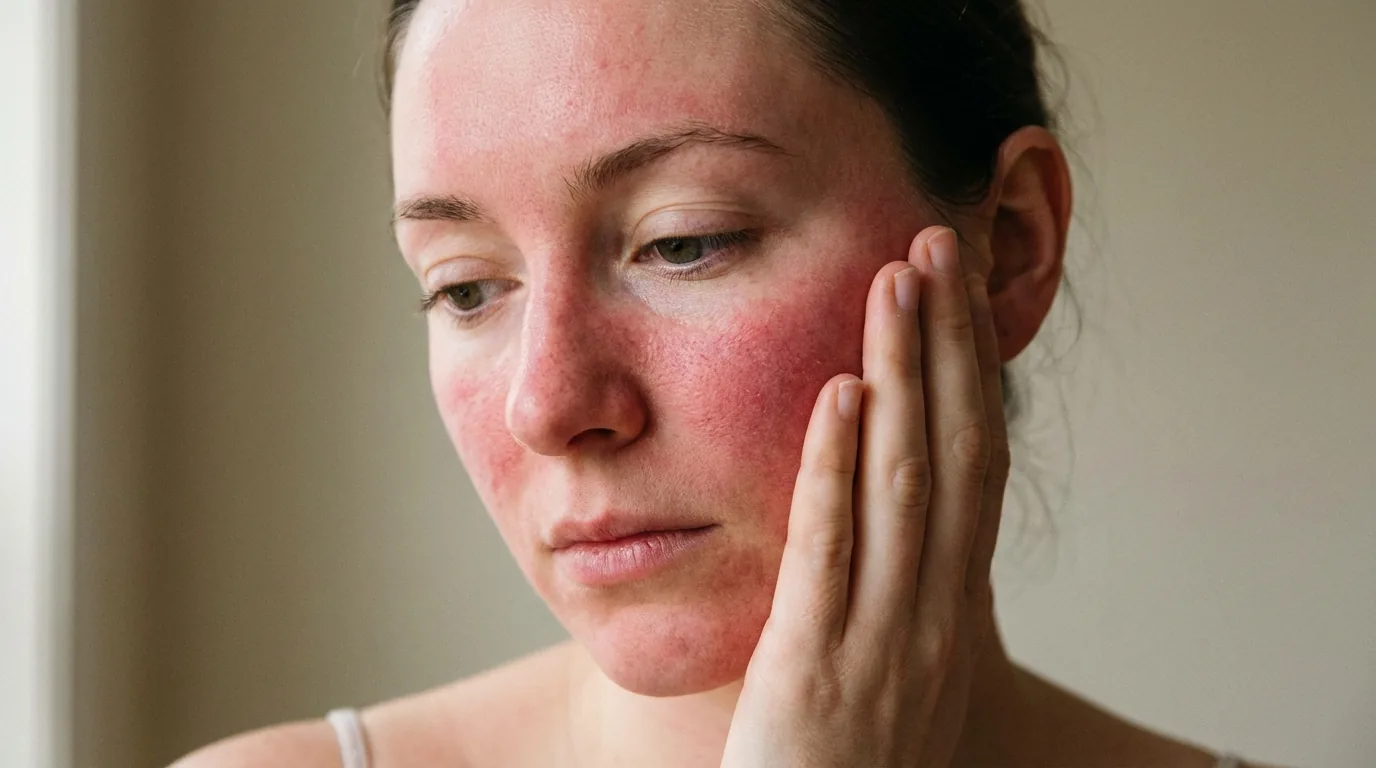
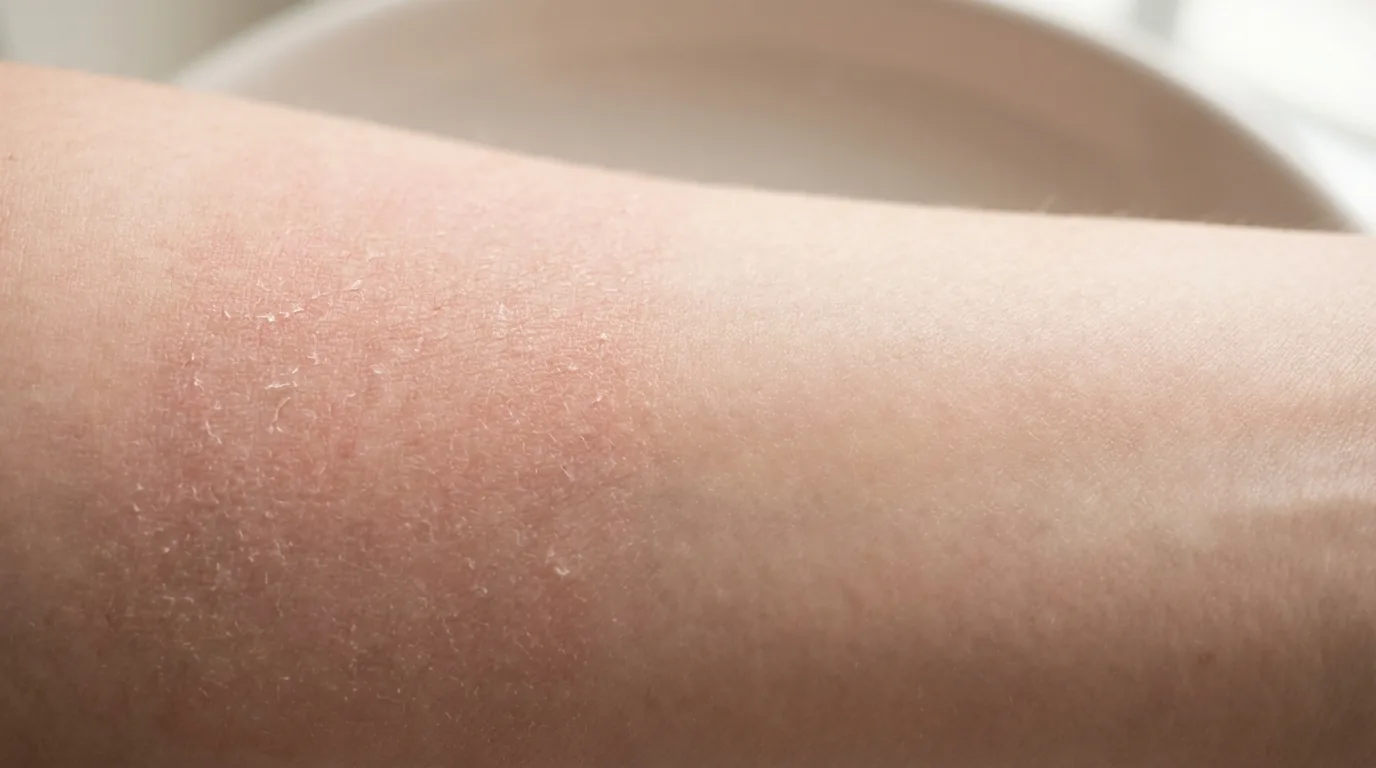
Atopic dermatitis — commonly known as eczema — is a chronic, relapsing inflammatory skin condition characterized by intense itching, redness, and a compromised skin barrier. It affects over 31 million Americans and up to 20% of children worldwide, making it one of the most common chronic diseases. Despite its prevalence, eczema is widely misunderstood — it's not simply dry skin, it's not contagious, and it's not caused by poor hygiene.
The pathophysiology of eczema involves two fundamental defects working in concert. First, there's an inherent barrier dysfunction — many eczema patients carry mutations in the filaggrin gene, which encodes a protein essential for maintaining the skin barrier's structural integrity and moisture retention. Without adequate filaggrin, the skin barrier has gaps through which moisture escapes and irritants, allergens, and microbes enter.
Second, there's immune dysregulation, specifically a Th2-skewed immune response that produces excessive inflammatory cytokines (IL-4, IL-13, IL-31). These cytokines drive the inflammation, itch, and further barrier disruption that characterize eczema. This creates a vicious cycle: barrier defects allow irritant penetration, which triggers immune activation, which produces inflammation that further damages the barrier.
The Itch-Scratch Cycle
The defining symptom of eczema is itch — not just ordinary itch, but an intense, relentless pruritus that significantly impacts quality of life, sleep, and mental health. IL-31, sometimes called the 'itch cytokine,' is produced in excess by the overactive Th2 immune cells in eczema and directly stimulates itch-sensing nerve fibers in the skin.
Scratching provides momentary relief but causes mechanical damage to the already compromised barrier, triggering more inflammation, more cytokine release, and more itch. This itch-scratch cycle is self-perpetuating and is one of the most challenging aspects of eczema management. Breaking this cycle is a primary treatment goal.
The impact of eczema itch extends beyond the skin. Studies consistently show that eczema significantly impairs sleep quality — both time to fall asleep and sleep continuity are affected. Sleep deprivation, in turn, increases stress hormones, impairs immune function, and reduces the skin's ability to repair itself, creating another vicious cycle. Children with eczema are more likely to have behavioral problems, ADHD symptoms, and academic difficulties, largely mediated through sleep disruption.
Common Triggers to Identify and Avoid
While eczema is a genetic and immunological condition, environmental triggers play a significant role in precipitating flares. Common triggers include harsh soaps and detergents, fragranced products, wool and synthetic fabrics, dust mites, pet dander, pollen, extremes of temperature and humidity, stress, and certain foods (particularly in children).
Fragrance is one of the most ubiquitous triggers and one of the easiest to avoid. This includes not just perfume and cologne, but fragrance in laundry detergent, fabric softener, body wash, shampoo, and household cleaning products. Both synthetic fragrance and natural essential oils can trigger eczema flares. Switching to fragrance-free alternatives across all personal care and household products is often one of the most impactful changes an eczema patient can make.
The role of food allergies in eczema is frequently overstated by popular media and underestimated by some clinicians. True food-triggered eczema is most common in children under 5 and involves IgE-mediated reactions to specific proteins. The most common culprits are milk, eggs, peanuts, wheat, and soy. Elimination diets should only be undertaken under medical supervision with subsequent controlled reintroduction — blindly eliminating foods without confirmation is nutritionally risky and often unnecessary.
The Foundation: Moisturizing Strategy
Consistent, liberal application of emollients is the single most important non-pharmacological intervention for eczema. Moisturizers serve multiple functions: they supplement the deficient natural moisturizing factors, fill gaps in the impaired lipid barrier, reduce transepidermal water loss, and create a protective layer that limits irritant and allergen penetration.
CeraVe Moisturizing Cream is one of the most widely recommended emollients for eczema because it contains three essential ceramides (1, 3, 6-II) that mimic the skin's natural lipid composition, plus hyaluronic acid for hydration. Its MVE (multivesicular emulsion) technology provides sustained release of moisturizing ingredients over time. Apply generously — dermatologists recommend using 250–500g per week for full-body application in adults with widespread eczema.
Vanicream Moisturizing Skin Cream is another excellent option, particularly for patients who react to the preservatives or additional ingredients in other emollients — its formulation is specifically designed to minimize the number of potential irritants. For targeted eczema relief, Eucerin Eczema Relief Cream contains colloidal oatmeal (an FDA-recognized skin protectant) along with ceramide-3 and licochalcone to reduce redness and irritation.
Medical Treatment Options
Topical corticosteroids remain the first-line anti-inflammatory treatment for eczema flares. They work by suppressing the overactive immune response in the skin, reducing inflammation, redness, and itch. Potency selection depends on the body site and severity: mild steroids (hydrocortisone 1%) for the face and skin folds, moderate (triamcinolone 0.1%) for the body, and potent (clobetasol) for thick, lichenified plaques on the extremities.
Topical calcineurin inhibitors (tacrolimus ointment, pimecrolimus cream) offer steroid-free anti-inflammatory options, particularly valuable for sensitive areas like the face and neck where long-term steroid use carries risks of atrophy and telangiectasia. They can be used for both flare treatment and proactive maintenance therapy — applying twice weekly to commonly affected areas to prevent flares.
Red light therapy has shown promising results in clinical studies for reducing the inflammation and barrier disruption associated with eczema flares, making it an increasingly discussed complementary option. For moderate-to-severe eczema unresponsive to topical therapy, dupilumab (Dupixent) — a biologic that blocks IL-4 and IL-13 signaling — has been transformative. Clinical trials showed 36–38% of patients achieving clear or almost clear skin at 16 weeks, compared to 8–10% with placebo.
Managing Eczema in Daily Life
Bathing practices significantly impact eczema management. The 'soak and seal' technique — taking a lukewarm bath for 10–15 minutes, then applying moisturizer within 3 minutes of patting (not rubbing) the skin dry — is one of the most effective strategies for maintaining hydration. Adding colloidal oatmeal or bleach baths (½ cup of household bleach per full bathtub, twice weekly) can help manage the Staphylococcus aureus colonization that's present in up to 90% of eczema patients.
Clothing choices matter more than most people realize. Cotton and silk are generally best tolerated, while wool and certain synthetic fabrics can trigger mechanical irritation and itch. Wash new clothes before wearing them to remove residual chemicals from manufacturing. Use fragrance-free, dye-free laundry detergent and skip fabric softener and dryer sheets entirely.
Stress management is an often-overlooked component of eczema care. Psychological stress triggers measurable increases in cortisol and inflammatory cytokines that can precipitate flares. Mind-body practices like meditation, progressive muscle relaxation, and cognitive behavioral therapy have been shown in clinical studies to improve eczema outcomes. The psychological burden of visible, itchy skin creates a stress-eczema cycle that addressing mental health can help break.
When to See a Specialist
While mild eczema can often be managed with over-the-counter emollients and low-potency topical steroids, several situations warrant dermatological consultation. These include eczema that doesn't respond to consistent over-the-counter treatment within 2–4 weeks, eczema covering large body surface areas, eczema on the face or hands that affects daily functioning, signs of skin infection (oozing, crusting, increased pain, warmth), and eczema significantly impacting sleep or quality of life.
A dermatologist can offer prescription-strength topical steroids, calcineurin inhibitors, phototherapy (narrowband UVB), and systemic treatments including dupilumab, JAK inhibitors (abrocitinib, upadacitinib), and tralokinumab. These advanced therapies have dramatically expanded treatment options for moderate-to-severe eczema in recent years.
Patch testing may be recommended if contact allergy is suspected as a contributing factor. Up to 40% of eczema patients have concurrent allergic contact dermatitis that, when identified and the allergen avoided, leads to significant improvement in overall eczema severity. Common culprits include nickel, fragrances, preservatives, and rubber accelerators.
References
- Weidinger S, Novak N. "Atopic dermatitis." The Lancet. 2016;387(10023):1109-1122.
- Eichenfield LF, et al. "Guidelines of care for the management of atopic dermatitis." Journal of the American Academy of Dermatology. 2014;71(1):116-132.
- Simpson EL, et al. "Two phase 3 trials of dupilumab versus placebo in atopic dermatitis." New England Journal of Medicine. 2016;375(24):2335-2348.
- Palmer CN, et al. "Common loss-of-function variants of the epidermal barrier protein filaggrin are a major predisposing factor for atopic dermatitis." Nature Genetics. 2006;38(4):441-446.