

Key Takeaways
- •All facial rollers work through the same mechanism: gentle massage and lymphatic drainage.
- •The material (jade, rose quartz, metal) has no proven impact on skin benefits.
- •Cooling enhances temporary depuffing — metal and chilled stone both work.
- •Facial rollers do not build collagen, reduce wrinkles, or permanently change facial structure.
- •They're a safe, pleasant addition to a routine — not a replacement for active treatments.
- •Quality and smoothness of the roller matters more than the material it's made from.
The Facial Roller Phenomenon
Facial rollers have exploded in popularity over the past decade, transforming from a niche beauty tool into a mainstream skincare staple found in every major retailer. The modern trend draws heavily on traditional Chinese beauty practices, where jade rollers have been used for centuries. But the current market has expanded far beyond jade to include rose quartz, amethyst, stainless steel, germanium, obsidian, and even ice-filled rollers.
The marketing claims surrounding facial rollers range from the plausible (temporary depuffing, enhanced product absorption) to the dubious (collagen stimulation, wrinkle reduction) to the frankly mystical (energy healing, chakra balancing, toxin removal). Separating fact from fiction requires looking at what the physical act of facial rolling actually does to the skin and underlying tissues.
At its core, a facial roller is a massage tool. The rolling motion provides gentle, consistent pressure along the skin surface, and the specific benefits depend entirely on the mechanical effects of that pressure — not the material the roller is made from, regardless of what the marketing says about the healing properties of various crystals.
Jade vs Rose Quartz vs Metal: Material Comparison
Jade (nephrite or jadeite) has been the traditional material for facial rollers in Chinese beauty practices. It's marketed as having 'protective and healing energy' and staying cool to the touch. From a dermatological perspective, jade is a smooth, hard stone that retains coolness moderately well. It has no documented skin-specific therapeutic properties beyond the mechanical effects of the rolling motion.
Rose quartz is marketed as the 'love stone' with 'calming energy.' It's slightly harder than jade and retains coolness comparably. The Mount Lai Rose Quartz Roller is one of the most popular options and is well-constructed with smooth edges. From a functional perspective, there is no difference between rose quartz and jade for facial rolling — the skin cannot distinguish between stone types.
Metal rollers (stainless steel, zinc alloy) conduct temperature more effectively than stone, meaning they get colder faster when refrigerated and can deliver a more intense cooling sensation. For targeted puffiness reduction, the ESARORA Ice Roller delivers consistent cooling that may enhance vasoconstriction and depuffing effects. Metal rollers are also easier to sanitize and don't carry the risk of microscopic chips or cracks that stone tools can develop over time.
What Facial Rollers Actually Do
The primary mechanism of facial rollers is gentle massage and lymphatic drainage — identical to the mechanism of gua sha, manual facial massage, or any other tool that applies gentle, directional pressure to the face. When performed in the correct direction (center of face outward, then downward along the neck), rolling encourages lymphatic fluid to drain toward the cervical lymph nodes.
The result is temporary — typically lasting 30 minutes to a few hours — reduction in facial puffiness. This effect is most noticeable in the under-eye area and along the jawline, where fluid tends to accumulate. The depuffing is real and visible, but it's a cosmetic effect that addresses fluid redistribution, not a structural change in the skin or underlying tissues.
Facial rolling can also enhance the absorption of skincare products. The gentle massage motion and pressure help push serums and oils into the stratum corneum. This is a modest benefit — your products will eventually absorb on their own — but rolling can accelerate the process and ensure more even distribution across the face.
What Facial Rollers Cannot Do
Despite marketing claims, facial rollers do not build collagen. Collagen synthesis requires significant stimulation — the kind provided by retinoids, vitamin C, professional treatments like microneedling or laser resurfacing, or light-based therapies. The gentle pressure of a facial roller is insufficient to stimulate fibroblasts or trigger the wound healing cascade that leads to new collagen production.
Facial rollers do not reduce wrinkles, firm sagging skin, or sculpt the face. These structural concerns are caused by collagen degradation, elastin loss, fat pad descent, and bone resorption — none of which respond to surface-level massage. Any 'lifted' or 'sculpted' appearance after rolling is temporary depuffing, not structural change. If you photograph your face immediately after rolling, it may look more defined — but this effect dissipates quickly.
Claims about 'toxin removal,' 'energy balancing,' or material-specific healing properties (jade's protective energy, rose quartz's loving vibrations) have no scientific basis. The lymphatic system does process waste products, and encouraging lymphatic flow through massage is beneficial — but this is a mechanical effect of the massage, not a mystical property of the stone.
How to Get the Most From Your Roller
To maximize the depuffing effect, store your roller in the refrigerator. The combination of massage pressure and cold temperature creates a more pronounced vasoconstriction and lymphatic drainage effect than room-temperature rolling. Metal rollers or purpose-built ice rollers will retain cold more effectively than stone tools.
Use your roller after applying serum or facial oil — never on dry skin, as the friction can tug and stretch the delicate facial skin. Roll with gentle, upward and outward strokes: from the center of the chin along the jawline to the ear, from beside the nose across the cheek to the ear, from between the brows up to the hairline. Finish with downward strokes along the sides of the neck to encourage drainage.
Clean your roller after every use with mild soap and water or an alcohol-based cleanser. Bacteria, product residue, and dead skin cells accumulate on the roller surface and can cause breakouts if not removed. Inspect stone rollers regularly for chips or cracks — a damaged roller can scratch the skin and harbor bacteria in the imperfections.
Are Facial Rollers Worth Buying
If you enjoy the ritual of facial rolling and find it relaxing, a facial roller is a worthwhile purchase. It provides a legitimate (if temporary) depuffing effect, enhances product absorption, and creates a pleasant self-care moment. At $15-$40 for a quality roller, it's an accessible entry point into facial massage that requires minimal technique or training.
If you're purchasing a facial roller expecting anti-aging benefits, wrinkle reduction, or collagen building, you will be disappointed. These claims are not supported by evidence, and your money would be better spent on proven active ingredients (retinoids, vitamin C, sunscreen) or professional treatments. A $20 roller and a $2,000 roller provide identical skincare benefits — the price difference is paying for marketing and materials, not efficacy.
The most cost-effective approach to facial rolling: buy an affordable, well-constructed roller from a reputable brand, store it in the fridge, use it as part of your morning routine for depuffing, and enjoy it for what it is — a pleasant massage tool that provides temporary cosmetic benefits and a moment of self-care in your day.
References
- Miyaji A, et al. "The effect of facial massage on the blood flow of the skin." Complementary Therapies in Medicine. 2018;41:271-275.
- Hong SN, et al. "Effect of manual lymphatic drainage on the skin." Journal of Physical Therapy Science. 2015;27(3):981-984.
- Caberlotto E, et al. "Effects of a skin-massaging device on the ex-vivo expression of human dermis proteins." PLoS One. 2017;12(2):e0172640.
Related Articles
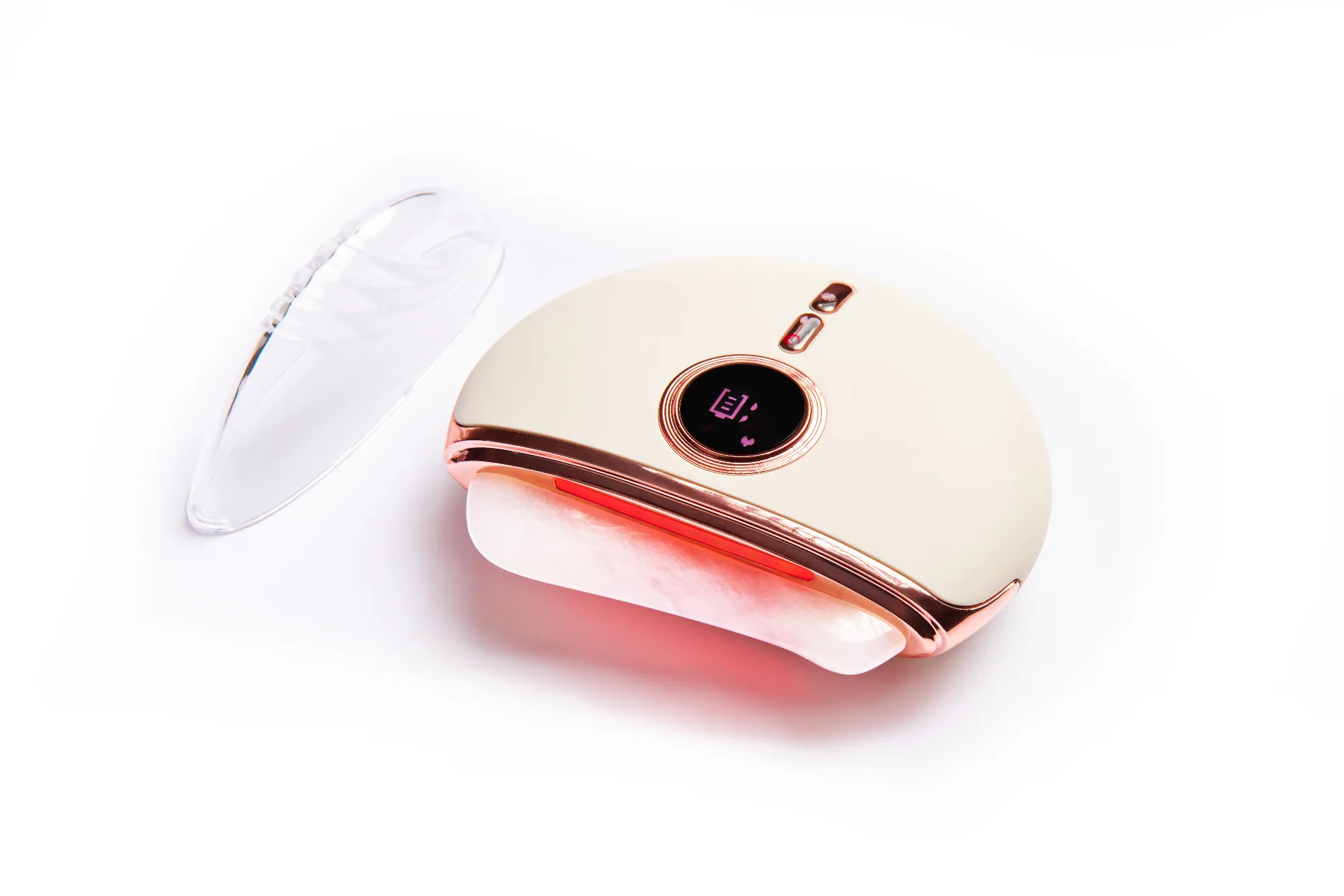
Gua Sha: Separating the Real Benefits From the Hype
June 16, 2025
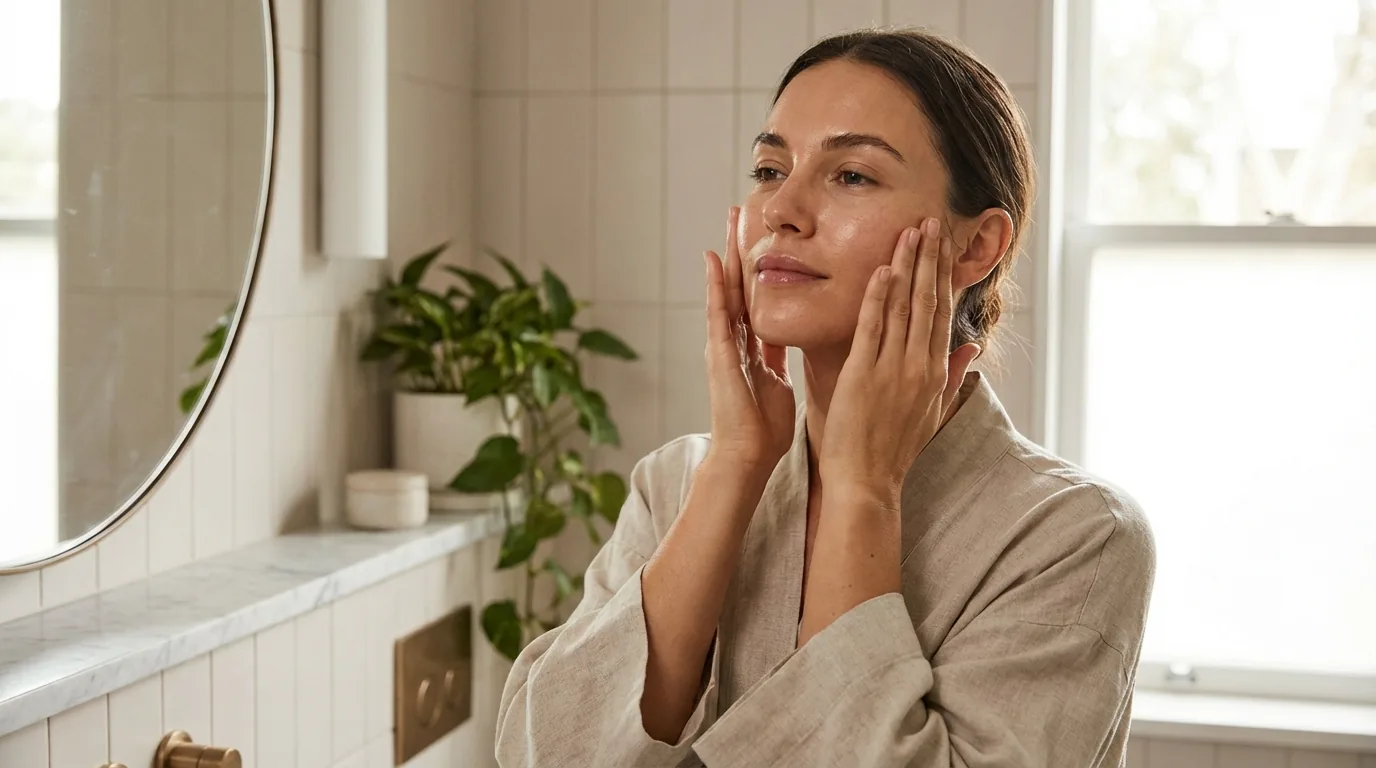
Face Massage: Does It Actually Depuff or Just Feel Good
June 30, 2025

Face Yoga: What the Science Says About Facial Exercises and Aging
July 28, 2025

How to Actually Repair Your Skin Barrier
December 3, 2020