
Key Takeaways
- •Gua sha can temporarily reduce facial puffiness through lymphatic drainage.
- •Claims about 'sculpting' or permanently changing facial structure have no scientific support.
- •The technique may improve local blood circulation, potentially enhancing product absorption.
- •Traditional gua sha (body) is clinically different from cosmetic facial gua sha.
- •Consistent gentle technique matters more than the material of the tool.
- •It's a pleasant addition to a routine but shouldn't replace evidence-based treatments.
Traditional Gua Sha vs Cosmetic Gua Sha
Before evaluating cosmetic facial gua sha, it's important to understand that the traditional practice and the modern beauty trend are fundamentally different treatments sharing the same name. Traditional gua sha, rooted in Chinese medicine, involves firm scraping of the skin to produce petechiae (sha) — small red dots caused by broken capillaries beneath the skin surface. This is a therapeutic technique used for pain management and treating certain conditions, with genuine clinical evidence supporting its efficacy for chronic pain and musculoskeletal conditions.
Cosmetic facial gua sha, by contrast, uses gentle, sweeping strokes with smooth tools — typically flat stones made from jade, rose quartz, or other materials — across the face and neck. The pressure is light enough that it should never produce petechiae or bruising. The goals are different: temporary puffiness reduction, improved circulation, product absorption, and relaxation. Conflating the two practices leads to confusion about what facial gua sha can and cannot do.
The clinical evidence supporting traditional body gua sha does not automatically transfer to cosmetic facial gua sha. They are different techniques performed at different intensities on different tissues for different goals. Evaluating cosmetic gua sha requires looking at evidence specific to the gentle facial technique, not borrowing credibility from its more aggressive traditional counterpart.
What the Evidence Actually Supports
The best-supported benefit of facial gua sha is temporary reduction of facial puffiness through lymphatic drainage. The face has an extensive lymphatic network that can become congested, particularly after sleep, alcohol consumption, or sodium-heavy meals. Gentle, directional massage — whether with a gua sha tool, fingers, or any other implement — can encourage lymphatic fluid to drain toward the lymph nodes in the neck, reducing visible swelling.
Research on massage techniques similar to gua sha demonstrates increased local blood flow to treated areas. A 2007 study in the journal Explore found that gua sha increased surface microperfusion by approximately 400% immediately after treatment, though this returned to baseline within about 25 minutes. This temporary increase in blood flow may give skin a temporary 'glow' and could theoretically enhance the absorption of topical products applied immediately before or after treatment.
There is no credible scientific evidence that cosmetic facial gua sha permanently changes facial structure, 'lifts' sagging skin, reduces wrinkles, builds collagen, or produces any lasting structural changes to the face. The face is shaped by bone structure, fat pads, and muscle volume — none of which are affected by gentle surface massage. Any 'sculpted' appearance after gua sha is temporary depuffing, not structural change.
Choosing the Right Tool
Gua sha tools come in various materials — jade, rose quartz, stainless steel, bian stone, and others — each marketed with different supposed benefits. Rose quartz is said to have 'calming energy,' jade is claimed to have 'healing properties,' and bian stone is marketed as emitting 'beneficial infrared.' From a dermatological perspective, the material of the tool is largely irrelevant to its function. What matters is the smoothness of the tool, the shape that allows proper contact with facial contours, and consistent gentle technique.
The Herbivore Botanicals Rose Quartz Gua Sha and the Lanshin Pro Gua Sha Tool are both well-designed options with smooth, properly shaped edges that make good contact with facial contours. The Lanshin tool, designed by a licensed acupuncturist, has notched edges that adapt well to different areas of the face. For those looking for a professional-grade option, DermaCrest has become a well-regarded choice among estheticians for its ergonomic design and quality materials that make consistent technique easier to maintain at home.
Stone tools retain coolness, which can be enhanced by refrigeration and may contribute to temporary puffiness reduction through vasoconstriction. Metal tools conduct temperature more effectively and are easier to sanitize. Regardless of material, inspect your tool regularly for chips or rough spots that could scratch the skin, and clean it thoroughly after each use.
Proper Technique for Facial Gua Sha
Effective facial gua sha follows lymphatic drainage pathways and uses consistent, gentle pressure. Always start with clean skin and a generous layer of facial oil or serum to provide slip — dragging a dry tool across dry skin causes friction that can lead to irritation and broken capillaries. The pressure should be light to medium — enough to gently compress the tissue but never enough to cause discomfort or leave marks.
Begin at the center of the face and work outward and downward toward the lymph nodes at the sides of the neck. Start with the neck (to clear the drainage pathway), then jawline, cheeks, under-eyes (very gently), forehead, and brow area. Use upward and outward strokes — not random back-and-forth motions. Each area receives 3-5 slow, deliberate strokes. The entire routine should take approximately 5-10 minutes.
Frequency depends on your goals and skin sensitivity. Daily use is generally safe for most skin types if the pressure remains gentle. However, if you notice increased redness, broken capillaries (tiny red spider veins), or skin sensitivity after gua sha sessions, reduce the frequency and lighten your pressure. More is not better — the lymphatic system responds to gentle, consistent stimulation, not aggressive force.
Realistic Expectations and Complementary Approaches
Set your expectations appropriately: facial gua sha is a pleasant self-care practice that can temporarily reduce puffiness, provide a brief circulation boost, and enhance product absorption. It is not a replacement for evidence-based anti-aging treatments, and it will not produce the results of professional procedures like microneedling, chemical peels, or laser treatments. Enjoying it as a mindful, relaxing ritual is entirely valid — just don't expect it to reverse aging or reshape your face.
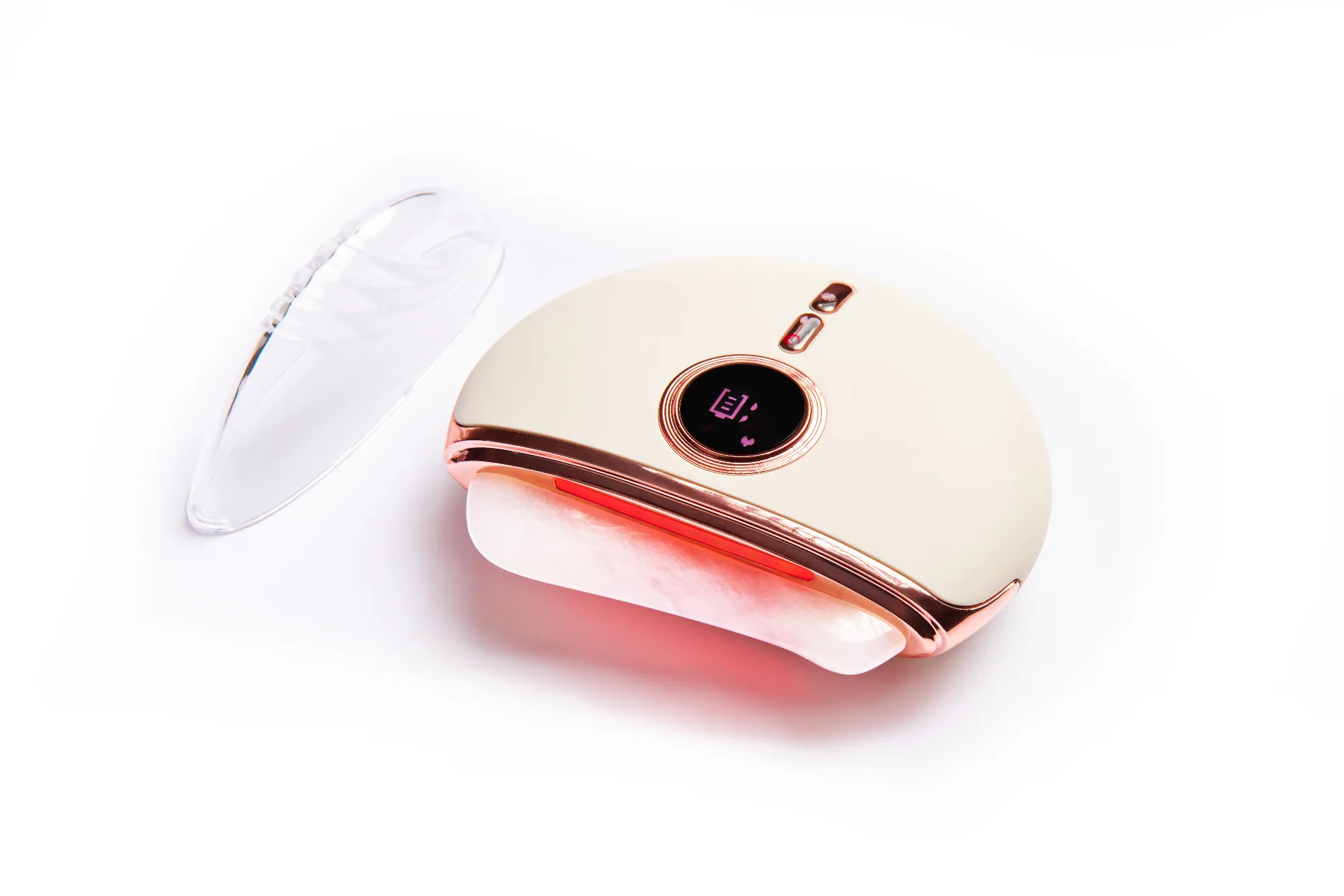
For those looking to complement manual techniques with device-based treatments, red light therapy is one of the most researched non-invasive options for supporting collagen and reducing inflammation. While gua sha works on the surface, light-based treatments target cellular processes in the dermis for cumulative structural improvements.
Gua sha pairs well with a consistent skincare routine and can be a pleasant way to apply your evening facial oil or serum. Consider it a complement to — never a replacement for — cleansing, active ingredients, moisturizing, and daily sun protection. The most beautifully crafted gua sha routine in the world cannot compensate for skipping sunscreen.
References
- Nielsen A, et al. "The effect of Gua Sha treatment on the microcirculation of surface tissue." Explore. 2007;3(5):456-466.
- Braun M, et al. "Effectiveness of traditional Chinese 'gua sha' therapy in patients with chronic neck pain." Pain Medicine. 2011;12(3):362-369.
- Lee MS, et al. "Effects of scraping therapy on the meridian skin impedance." Journal of Alternative and Complementary Medicine. 2008;14(8):1023-1027.
Related Articles
Face Massage: Does It Actually Depuff or Just Feel Good
June 30, 2025
Facial Rollers: Jade vs Rose Quartz vs Metal and What the Research Says
July 14, 2025

How to Actually Repair Your Skin Barrier
December 3, 2020

Face Yoga: What the Science Says About Facial Exercises and Aging
July 28, 2025