
Key Takeaways
- •RF microneedling adds radiofrequency energy to the mechanical injury of standard microneedling.
- •The RF energy heats the dermis to 60-70°C, causing immediate collagen contraction and long-term remodeling.
- •RF microneedling is more effective for skin laxity and deeper wrinkles than standard microneedling.
- •Standard microneedling may be equally effective for superficial concerns like texture and mild scarring.
- •RF microneedling costs 2-3x more per session than standard microneedling.
- •Both treatments require multiple sessions and proper post-care for optimal results.
How Radiofrequency Changes the Game
Standard microneedling creates thousands of tiny puncture wounds in the skin, triggering a wound healing cascade that ultimately produces new collagen. RF microneedling adds a second dimension: radiofrequency energy delivered through the needle tips directly into the dermis. This combination of mechanical and thermal injury produces a more robust collagen response than either modality alone.
The radiofrequency energy heats the tissue surrounding each needle tip to approximately 60-70°C — hot enough to cause immediate denaturation (contraction) of existing collagen fibers and thermal coagulation that triggers an intense wound healing response. Because the energy is delivered at the needle depth rather than at the skin surface, the epidermis is largely spared, reducing surface damage and recovery time compared to laser treatments.
Popular RF microneedling devices include Morpheus8, Vivace, Genius, and Potenza. Each uses slightly different needle configurations, depths, and energy delivery patterns, but the fundamental mechanism is the same: insulated needles penetrate to a controlled depth (0.5-4mm), and RF energy is emitted from the needle tips into the surrounding tissue.
RF Microneedling vs Standard Microneedling: The Evidence
Head-to-head comparison studies between RF and standard microneedling are surprisingly limited, but the available evidence suggests that RF microneedling produces superior results for certain indications. A 2019 study in the Journal of Cosmetic Dermatology found that RF microneedling produced significantly greater improvement in moderate to severe acne scarring compared to standard microneedling after three sessions.
For skin laxity — the sagging and looseness that develops with age — RF microneedling has a clear advantage. Standard microneedling primarily stimulates new collagen synthesis but has minimal effect on existing collagen architecture. RF microneedling causes immediate collagen contraction (tightening) in addition to stimulating new collagen production, making it more effective for addressing mild to moderate skin laxity.
For superficial concerns like mild texture irregularities, enlarged pores, and superficial discoloration, the difference between the two modalities narrows considerably. Standard microneedling at appropriate depths (0.5-1.0mm) may produce comparable results for these surface-level concerns, making the additional cost of RF less justifiable.
What RF Microneedling Treats Best
RF microneedling's sweet spot is the intersection of textural concerns and early laxity. It's particularly effective for jowl tightening, neck skin firming, acne scar improvement (especially rolling and boxcar scars), fine to moderate wrinkle reduction, and overall skin texture refinement. The deep thermal energy delivery makes it one of the few non-surgical options that can produce visible tightening in the lower face and neck.
The treatment is also increasingly used for body contouring concerns — stretch marks, body acne scarring, and skin laxity on the abdomen, arms, and thighs. Devices like Morpheus8 can treat at depths up to 4mm, allowing treatment of concerns that standard microneedling cannot reach. Early studies show promising results for stretch mark improvement, particularly when combined with PRP.
Where RF microneedling falls short is in addressing pigmentation disorders (it can worsen melasma), deep structural volume loss (which requires fillers), and surface-level concerns that respond equally well to less expensive treatments. It's also not a substitute for surgical intervention in cases of significant skin laxity — no energy-based device can replicate the results of a facelift.
The Treatment Experience and Recovery
RF microneedling is moderately painful — most practitioners apply topical numbing cream (lidocaine 23% / tetracaine 7%) for 30-45 minutes before treatment. Even with numbing, patients report a sensation of heat and pressure during the procedure. Treatment of the full face typically takes 15-25 minutes once numbing is complete.
Recovery is somewhat more involved than standard microneedling but significantly less than laser resurfacing. Expect 2-5 days of redness and mild swelling, with some patients experiencing pinpoint bleeding or crusting for the first 24-48 hours. Most patients are comfortable returning to work and social activities after 2-3 days with makeup to conceal residual redness.
Post-treatment skincare should emphasize gentle hydration and sun protection. Most practitioners recommend a bare-bones routine for 48-72 hours: gentle cleanser, recovery serum such as SkinMedica TNS Advanced+ Serum (which contains growth factors that may enhance the healing response), bland moisturizer, and mineral sunscreen. Active ingredients (retinoids, acids, vitamin C) should be reintroduced gradually starting at 5-7 days post-treatment.
Cost Analysis and Treatment Planning
RF microneedling typically costs $800-$1,500 per session for full face treatment, compared to $300-$700 for standard microneedling. Most patients need 3-4 sessions spaced 4-6 weeks apart for optimal results, putting the total investment at $2,400-$6,000 for a full treatment series. This is a significant financial commitment that should be weighed against realistic expectations for results.
When evaluating whether the upgrade is worth it, consider your primary concerns. If you're primarily addressing surface texture, mild scarring, or maintaining general skin quality, standard microneedling offers excellent value. If you have moderate acne scarring, early skin laxity, or are looking for the most robust collagen response possible, RF microneedling justifies its premium for many patients.
For post-treatment maintenance and to complement RF microneedling results, products targeting collagen support like Revision Skincare Nectifirm can help maintain firmness between sessions, particularly when treating the neck and jawline area.
Complementary Treatments and Recovery Support
RF microneedling integrates well with other aesthetic treatments as part of a comprehensive rejuvenation plan. Many practitioners recommend PRP (platelet-rich plasma) applied immediately after RF microneedling to flood the treatment channels with growth factors. Early evidence suggests this combination may enhance collagen production, though large-scale studies are still needed.
Some patients and clinicians combine professional treatments with at-home LED light therapy during the recovery period to support healing and maintain results between sessions. The anti-inflammatory properties of red light may help reduce post-treatment redness and support the collagen remodeling process initiated by the RF energy.
Botulinum toxin and dermal fillers are commonly performed alongside RF microneedling as part of a multi-modal approach to facial rejuvenation. However, timing matters — most practitioners recommend spacing RF microneedling at least 2 weeks from injectables to avoid displacing filler material or affecting toxin diffusion.
References
- Choi M, et al. "Comparative study of fractional microneedling radiofrequency versus standard microneedling for acne scars." Journal of Cosmetic Dermatology. 2019;18(6):1657-1663.
- Hruza G, et al. "Radiofrequency microneedling: a comprehensive review." Dermatologic Surgery. 2020;46(2):172-180.
- Alster TS, et al. "Improvement of neck and cheek laxity with a noninsulated fractional radiofrequency device." Journal of Cosmetic and Laser Therapy. 2016;18(3):118-122.
- Emer J. "Platelet-rich plasma (PRP): current applications in dermatology." Skin Therapy Letter. 2019;24(5):1-6.
Related Articles
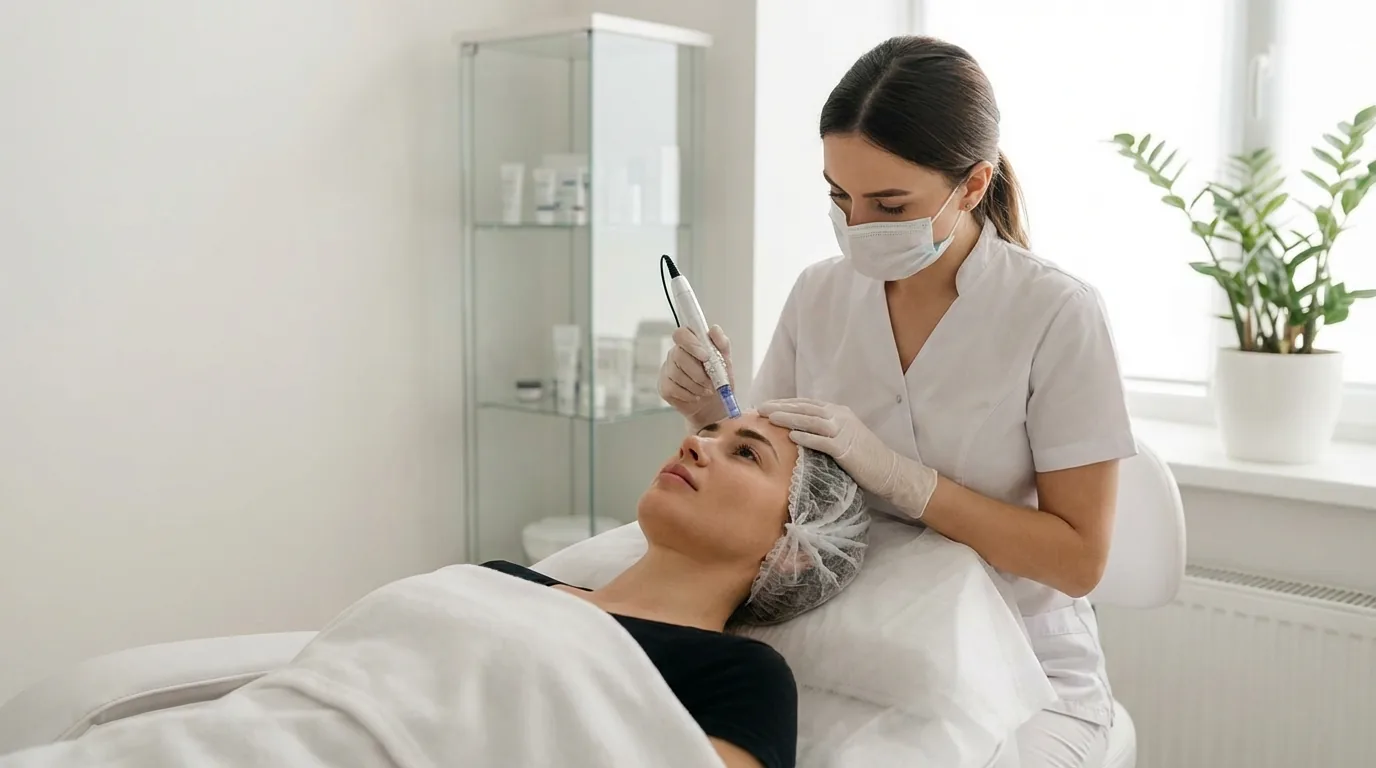
Microneedling: How It Works and What to Realistically Expect
May 27, 2021

Botox vs. Fillers: What Actually Makes You Look Older Faster
February 14, 2024
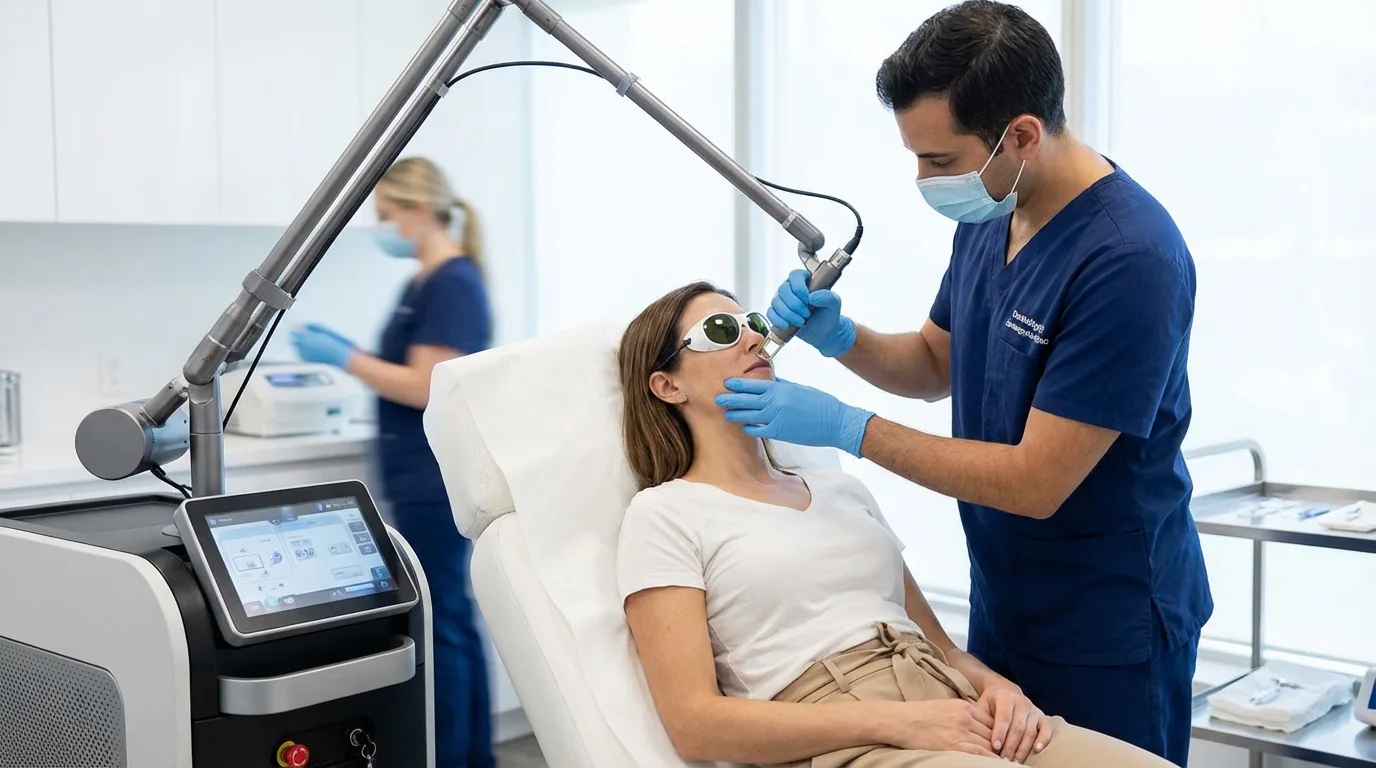
Laser Resurfacing: What It Actually Does to Your Skin and Who It's For
April 7, 2025

Chemical Peels at Home vs. In-Office: An Honest Comparison
June 8, 2020